Burst Pipe Water Damage
A burst pipe can release hundreds of gallons per hour into your home. Understanding why pipes burst, how fast the damage spreads, and what to do in the first 60 minutes can save thousands in restoration costs.
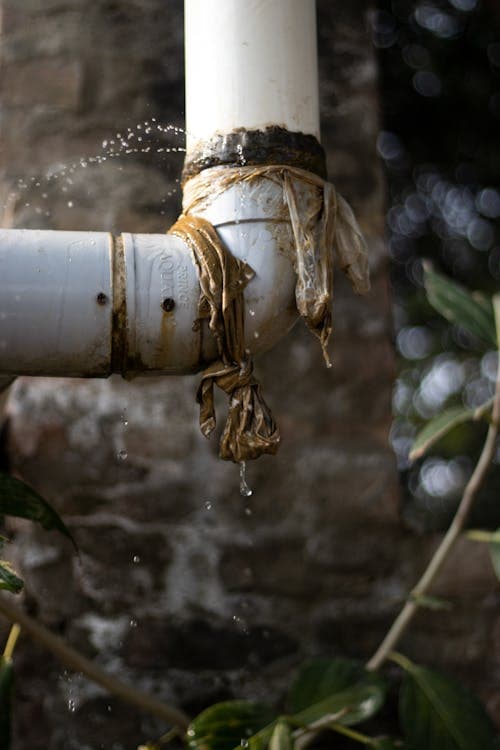
Why Pipes Burst: The Three Main Causes
Burst pipe water damage is one of the most common and destructive water events in residential properties. According to the Insurance Information Institute, water damage and freezing claims account for nearly 29% of all homeowners insurance claims, with an average payout of $12,514. The three primary causes of burst pipes are freezing, corrosion, and excessive pressure.
Freezing
When water freezes inside a pipe, it expands by approximately 9% in volume, generating pressures that can exceed 40,000 PSI — far more than any residential pipe can withstand. However, the pipe does not burst at the point of the ice blockage. It fails downstream, where water pressure builds between the ice and the nearest closed faucet. This is why frozen pipe burst damage often appears far from the actual frozen section. The IICRC reports that frozen pipe bursts cause an estimated $4 billion in damage to US homes each year.
Corrosion
Galvanized steel pipes corrode from the inside out over 30 to 50 years. Copper pipes develop pinhole leaks from aggressive water chemistry (low pH, high chlorine). The corrosion weakens the pipe wall until water pressure exceeds its structural capacity and it fails. Homes built before 1990 with original plumbing are at the highest risk. Unlike freezing, corrosion failures are gradual and often start as small leaks before progressing to a full burst.
Excessive Water Pressure
Residential plumbing is designed for 40 to 60 PSI. When municipal pressure exceeds 80 PSI — which happens in hilly areas, near water towers, or during pressure surges — pipes and fittings are stressed beyond design limits. Water hammer (the banging sound when a valve closes quickly) creates momentary pressure spikes of 300+ PSI that weaken joints and fittings over time. A pressure regulating valve (PRV) installed at the main line protects your entire system.
The Burst Pipe Damage Timeline
When a pipe bursts, the 60-minute damage clock starts immediately. Here is what happens at each stage:
- 0-60 minutes — water pools on surfaces and can be extracted with standard equipment. Drywall is damp but intact. This is the golden window where costs stay lowest.
- 1-24 hours — water wicks into wall cavities and subfloors. Drywall swells and loses integrity. Mold spores begin activating in warm, damp conditions. Carpet padding becomes unsalvageable.
- 24-48 hours — visible mold growth begins. Wood framing warps. Drywall requires replacement rather than drying. Remediation costs increase 2 to 3 times.
- 48+ hours — mold spreads through HVAC systems. Structural wood may need replacement. Insurance claims become more complex. Total cost can reach 5 to 10 times the original repair.
Immediate Actions When a Pipe Bursts
Speed is the single most important factor in burst pipe water damage outcomes. Take these steps immediately:
- Shut off the main water valve — every household member should know where this is before an emergency. Stopping the flow immediately limits the total volume of water entering your home.
- Turn off electricity — if water is near electrical outlets, appliances, or the breaker panel, shut off power at the main breaker. Do not stand in water while touching electrical equipment.
- Open faucets to drain the system — opening cold water faucets drains remaining water from the pipes and reduces pressure, which can slow the leak if the valve is not fully stopping the flow.
- Move belongings to dry areas — salvage furniture, electronics, and documents from the affected zone before water spreads.
- Document everything — photograph and video the damage for your insurance claim. Include the burst point, affected areas, and damaged belongings.
- Call a verified emergency contractor — you need professional extraction within the 60-minute window.
Burst Pipe Repair and Restoration Costs
Burst pipe water damage costs break down into two categories: the pipe repair and the water damage restoration. The pipe repair itself is relatively inexpensive — $150 to $500 for most residential breaks. The water damage restoration is where costs vary dramatically based on response time.
| Scenario | Typical Cost |
|---|---|
| Pipe repair only | $150 - $500 |
| Prompt response (under 60 min) | $1,500 - $4,000 |
| Delayed response (24-48 hours) | $5,000 - $15,000 |
| Full remediation (48+ hours) | $10,000 - $25,000+ |
| Frozen pipe burst repair (additional) | +$200 - $500 thawing |
Costs based on industry averages. Actual costs depend on location, materials, and contractor rates. Use our cost and insurance guide for detailed breakdowns.
Prevention: How to Winterize Your Plumbing
Frozen pipe bursts are the most preventable type of water damage. The American Red Cross and FEMA recommend these winterization steps before the first freeze:
- Insulate pipes in attics, crawl spaces, garages, and exterior walls with foam pipe insulation (R-value of 3 or higher).
- Keep your thermostat at 55 degrees F or higher, even when the home is vacant.
- Open cabinet doors under sinks on exterior walls during cold snaps to allow warm air to reach the pipes.
- Disconnect and drain outdoor hoses. Shut off interior valves supplying outdoor faucets and open the outdoor faucet to drain.
- Install a pressure regulating valve if your municipal pressure exceeds 60 PSI.
Sources
Frequently Asked Questions
How much water damage can a burst pipe cause?
A single burst pipe can release 4 to 8 gallons of water per minute depending on pipe diameter and water pressure. In a typical residential system at 40-60 PSI, that is 240 to 480 gallons per hour. A burst pipe running overnight for 8 hours can flood a home with 2,000 to 4,000 gallons of water, enough to cause catastrophic structural damage, destroy flooring and drywall, and saturate insulation throughout the affected area.
How much does burst pipe repair cost?
The pipe repair itself typically costs $150 to $500 for a single break. However, the water damage restoration is where costs escalate. A burst pipe in a wall with prompt response (within 60 minutes) may cost $1,500 to $4,000 for extraction and drying. A delayed response requiring drywall replacement, mold remediation, and structural drying can reach $10,000 to $25,000. Frozen pipe burst repair costs are similar, with an additional $200 to $500 for thawing adjacent frozen sections.
At what temperature do pipes burst?
Pipes are at risk of freezing when exterior temperatures drop below 20 degrees Fahrenheit (-6 degrees Celsius) for six or more consecutive hours. Uninsulated pipes in exterior walls, attics, crawl spaces, and garages are most vulnerable. The pipe does not burst from ice forming — it bursts from the pressure buildup between the ice blockage and the closed faucet. This is why leaving faucets dripping during cold snaps reduces burst risk by relieving pressure.
Does homeowners insurance cover burst pipe water damage?
Yes, in most cases. A burst pipe is classified as sudden and accidental damage, which is covered under standard HO-3 and HO-5 homeowners policies. The policy covers the resulting water damage to your home and belongings but typically does not cover the cost of repairing the pipe itself. If the burst resulted from neglected maintenance (such as failing to heat your home during winter), the insurer may deny the claim.
How do I prevent pipes from bursting in winter?
Winterize your plumbing by insulating exposed pipes in attics, crawl spaces, garages, and exterior walls with foam pipe insulation. Keep your thermostat at 55 degrees Fahrenheit or higher, even when away. Open cabinet doors under sinks on exterior walls to allow warm air circulation. Let faucets drip during extreme cold to relieve pressure. Seal air leaks near pipes with caulk or spray foam. Disconnect and drain outdoor hoses before the first freeze.
Related Resources
- Foundation Leak Repair Guide
How foundation leaks develop and what repair options exist.
- Emergency Water Damage Repair
Find verified emergency contractors with confirmed response times.
- The 60-Minute Damage Clock
Visual timeline showing what happens inside your walls after water intrusion.
- Cost & Insurance Guide
Understand typical costs and how insurance covers water damage.
Dealing with burst pipe water damage right now?
Find Emergency Contractors Near You