Fix a Broken Pipe Under Your House
A broken underground water pipe can cause thousands in hidden damage before you see a single drop on the surface. Here is how to identify the problem, understand your repair options, and act before the damage compounds.
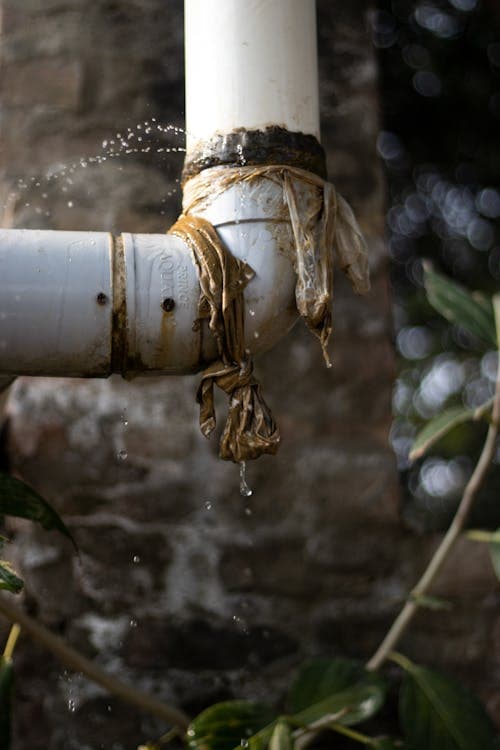
Signs of a Broken Pipe Under Your House
A broken pipe underground often leaks for days or weeks before you notice it. The water saturates soil, erodes foundations, and creates conditions for mold — all while hidden from view. Knowing the signs of a broken pipe under your house lets you catch the problem before it escalates into a major repair.
- Unexplained water bill increase — a jump of 20% or more without a change in usage is the most common early indicator. The American Water Works Association estimates that residential water leaks waste nearly 1 trillion gallons annually in the US.
- Sound of running water — if you hear water flowing when all faucets and appliances are off, water is escaping somewhere in the system.
- Wet or soft spots in the yard — persistent damp patches or unusually green grass over the pipe route suggest a broken underground water pipe leaking into the soil.
- Low water pressure — a drop in pressure across multiple fixtures (not just one faucet) indicates a supply-side leak.
- New foundation cracks — a broken pipe under a slab saturates the soil and causes differential settlement, producing cracks in the foundation, walls, or tile floors.
- Warm spots on the floor — for hot water line breaks, you may feel warm areas on tile or hardwood floors directly above the leak.
What Causes Pipes to Break Underground
Understanding why pipes fail helps you assess whether your home is at risk. The most common causes of a broken pipe under a house include:
- Corrosion — galvanized steel and cast iron pipes corrode from the inside out over 30 to 50 years, eventually developing pinhole leaks or full breaks.
- Tree root intrusion — roots seek moisture and grow into pipe joints, gradually cracking and displacing the pipe.
- Soil movement — expansive clay soils (common in Texas and the Southeast) swell and contract with moisture changes, putting stress on rigid pipe materials.
- Freezing temperatures — water expands when it freezes, generating pressures up to 40,000 PSI inside the pipe. Even buried pipes can freeze during severe cold snaps if they are not deep enough below the frost line.
- Poor installation — pipes without proper bedding or inadequate joint connections fail prematurely, especially in homes built during rapid development.
Detection Methods: Finding the Break
Before any repair begins, a plumber needs to locate the break precisely. Modern detection methods include acoustic leak detection (listening for the sound of escaping water through the ground), thermal imaging to find temperature differentials, and sewer camera inspection — a fiber-optic camera inserted into the pipe to visually identify the break location, type, and severity.
Camera inspection is the most definitive method and typically costs $100 to $500. It also determines whether the pipe is a candidate for trenchless repair or requires traditional excavation — a decision that can save thousands of dollars.
Repair Options: Trenchless vs Traditional Excavation
There are two primary approaches to fix a broken pipe underground, and the right choice depends on the pipe condition, location, and material:
Trenchless Pipe Repair
Trenchless methods — including pipe lining (CIPP) and pipe bursting — repair or replace the pipe through small access points without digging up your yard, driveway, or foundation. CIPP involves inserting an epoxy-coated liner into the existing pipe and curing it in place, creating a new pipe within the old one. Pipe bursting pulls a new pipe through the old one, fracturing the original pipe outward. Typical cost: $3,000 to $6,000 for a residential lateral.
Traditional Excavation
When the pipe has collapsed, separated at joints, or shifted significantly, excavation is the only option. This involves digging a trench to expose the pipe, removing the damaged section, and installing new pipe. For a broken pipe under a slab, this means cutting through the concrete floor, excavating below, replacing the pipe, backfilling, and repouring the concrete. Typical cost: $4,000 to $15,000 depending on depth, length, and surface restoration.
Emergency Steps: What to Do Right Now
If you suspect a broken pipe under your house, act within the 60-minute damage window:
- Shut off the main water valve — stop the flow immediately to prevent further water damage.
- Check your water meter — if the meter is still moving with all water off, the leak is between the meter and your house.
- Document the damage — photograph any visible water, wet spots, or foundation cracks for your insurance claim.
- Call a licensed plumber — you need camera inspection to locate the break before any repair decisions.
- Contact your insurer — report the damage immediately, even before repairs begin.
Frequently Asked Questions
How do I know if I have a broken pipe under my house?
The most common signs of a broken underground water pipe include an unexplained spike in your water bill, the sound of running water when all fixtures are off, wet spots or soft areas in your yard, low water pressure throughout the house, foundation cracks appearing suddenly, and warm spots on the floor (for hot water line breaks). If you notice multiple signs, shut off your main water valve and call a plumber with leak detection equipment.
How much does it cost to fix a broken pipe under a house?
Costs vary widely based on the repair method and pipe location. Spot repairs for a single break typically cost $500 to $2,500. Trenchless pipe lining runs $3,000 to $6,000 for a residential lateral. Traditional excavation with full pipe replacement costs $4,000 to $15,000 or more depending on the length of pipe, depth, and whether it runs under a slab foundation. Slab-on-grade homes cost more because the concrete must be cut and repoured.
Is trenchless pipe repair better than traditional excavation?
Trenchless repair is faster, less invasive, and avoids destroying landscaping, driveways, or flooring. However, it is not always possible. Trenchless methods require the existing pipe to maintain its general shape — if the pipe has collapsed, separated at joints by more than a few inches, or been crushed by roots, traditional excavation may be the only option. A camera inspection determines which method is viable.
Can a broken pipe under my house cause foundation damage?
Yes. A broken pipe under a slab foundation allows water to saturate the soil beneath the concrete. In expansive clay soils (common in Texas, Oklahoma, and parts of the Southeast), this causes the soil to swell and push the foundation upward. When the leak is repaired and the soil dries, it contracts, leaving the foundation unsupported. This cycle causes cracks, uneven floors, and doors that no longer close properly. Fixing a broken pipe under a slab quickly limits foundation damage.
Does insurance cover a broken pipe under the house?
Insurance typically covers the water damage caused by a sudden pipe failure but does not cover the cost of repairing the pipe itself. If the pipe broke due to age, corrosion, or gradual deterioration, the insurer may classify it as a maintenance issue and limit coverage. Document the damage immediately and file your claim before beginning repairs. A separate sewer line endorsement may cover lateral line failures.
Related Resources
- Burst Pipe Water Damage
Why pipes burst, immediate actions, and repair costs.
- Emergency Water Damage Repair
Find verified emergency contractors with confirmed response times.
- The 60-Minute Damage Clock
Why response time is the most important variable in water damage.
Have a broken pipe under your house?
Find Verified Contractors Near You