Sewage Backup Cleanup
Category 3 water contamination is the most dangerous type of water damage. Here is what makes sewage backup cleanup different from every other water event and why professional sewage damage restoration is not optional.
Why Sewage Backup Is a Category 3 Emergency
The IICRC S500 standard classifies sewage backup as Category 3 water — the most contaminated and hazardous classification. Unlike a burst pipe (Category 1, clean water) or a dishwasher overflow (Category 2, gray water), sewage contains active biological contaminants: bacteria such as E. coli and Salmonella, parasites including Cryptosporidium and Giardia, viruses like hepatitis A, and fungi that can colonize building materials within hours.
According to the EPA, exposure to raw sewage can cause gastroenteritis, respiratory infections, skin infections, and in severe cases, hepatitis. Children, elderly individuals, and anyone with a compromised immune system face elevated risk. This is why professional sewage backup cleanup uses hazmat-level protocols that go far beyond standard water extraction.
Immediate Steps When Sewage Backs Up
If you discover a sewage backup in your home, take these steps immediately — before a sewage cleanup company arrives:
- Evacuate the area — keep children and pets away. Do not walk through contaminated water without protective footwear.
- Stop water use — do not flush toilets, run faucets, or use washing machines until the blockage is identified.
- Turn off HVAC — air circulation spreads airborne pathogens from sewage into uncontaminated rooms.
- Open windows for ventilation — if safe to do so, improve airflow without using the central air system.
- Do not attempt cleanup yourself — household cleaning products do not neutralize Category 3 contaminants.
- Document the damage — photograph everything from a safe distance for your insurance claim.
Professional Sewage Damage Restoration Process
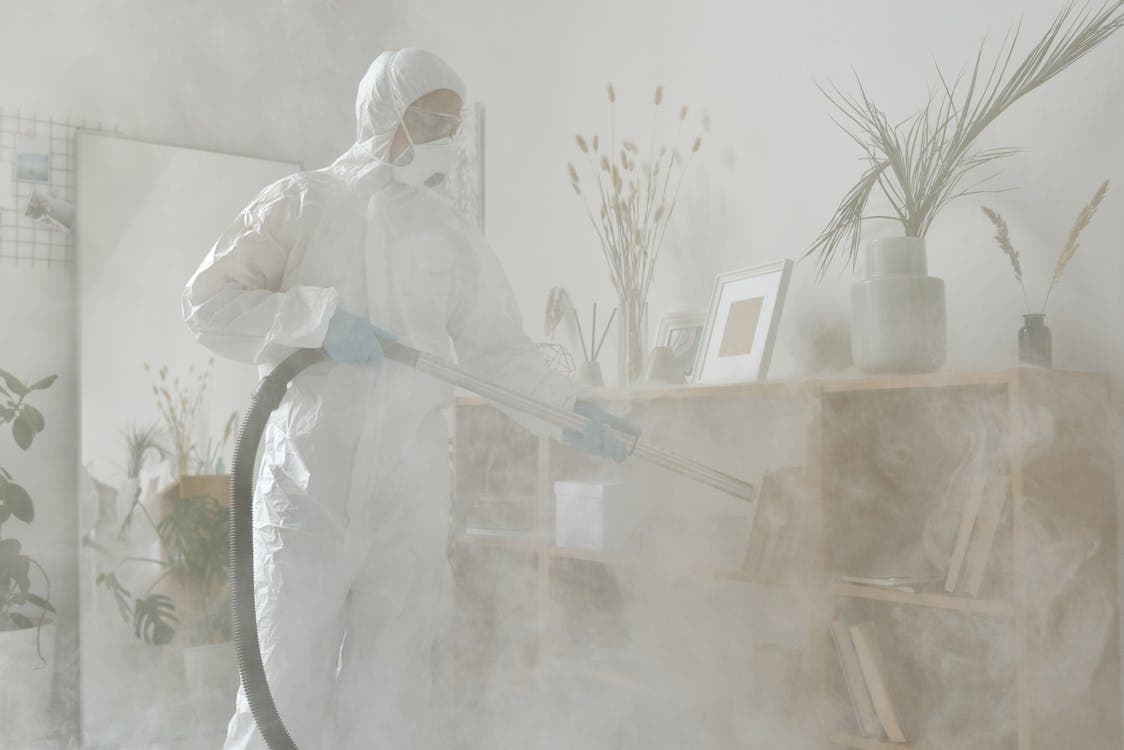
Certified sewage damage restoration follows a strict sequence established by the IICRC and reinforced by EPA safety protocols. Unlike clean water extraction, every phase requires containment measures to prevent cross-contamination:
- Containment and PPE setup — technicians establish negative air pressure using HEPA-filtered air scrubbers and suit up in full personal protective equipment before entering.
- Sewage extraction — truck-mounted pumps remove standing sewage. All extracted material is disposed of according to local health department regulations.
- Material removal — carpet, padding, drywall below the contamination line, and any porous materials (particle board, unsealed concrete) are cut out and bagged for disposal. These materials cannot be decontaminated.
- Antimicrobial treatment — remaining structural surfaces are treated with EPA-registered biocides. This is not a surface spray — it involves saturation of affected wood framing, concrete, and subfloor materials.
- Structural drying — industrial dehumidifiers and air movers run for 3 to 5 days with daily moisture readings to confirm drying progress.
- Post-remediation testing — air quality and surface swab testing confirm that contamination levels are safe before the area is cleared for reconstruction.
Common Causes of Sewage Backups
Understanding what causes sewage backups helps you prevent them. The most common causes include:
- Tree root infiltration — roots grow into sewer line joints and cracks, eventually blocking the pipe entirely. This is the leading cause of residential sewer backups.
- Municipal sewer overload — heavy rain events overwhelm combined sewer systems, forcing sewage back through residential connections.
- Aging infrastructure — clay and cast iron sewer laterals in homes built before 1980 deteriorate and collapse over time.
- Grease and debris buildup — fats, oils, and non-flushable items accumulate in the lateral line and create blockages over months or years.
Prevention: How to Reduce Sewage Backup Risk
The EPA and most municipal water authorities recommend these preventive measures to reduce the risk of sewage backup in your home:
- Install a backwater prevention valve on your sewer lateral — this is the single most effective prevention measure.
- Have your sewer line inspected with a camera every 2 years, especially if you have mature trees near the line.
- Never pour grease down drains — let it cool and dispose of it in the trash.
- Only flush toilet paper — no wipes, feminine products, or paper towels, even those labeled "flushable."
When sewage backup cleanup cannot wait, finding a verified contractor fast matters. Every contractor on WaterDamageFinder shows verified response times and credentials — not self-reported estimates.
Frequently Asked Questions
Is sewage backup cleanup dangerous to do yourself?
Yes. The EPA classifies sewage as Category 3 (black water), which contains bacteria, viruses, parasites, and other pathogens that can cause serious illness. Professional sewage damage restoration companies use full PPE including respirators, Tyvek suits, and chemical-resistant gloves. Without proper containment and antimicrobial treatment, DIY cleanup risks spreading contamination to unaffected areas and exposing your household to hepatitis A, E. coli, giardia, and other waterborne pathogens.
How long does professional sewage backup cleanup take?
A typical residential sewage backup cleanup takes 3 to 7 days depending on the volume of contamination, the number of affected rooms, and the materials involved. The process includes extraction, removal of contaminated materials, antimicrobial treatment, structural drying, and post-remediation testing. Carpet, padding, drywall below the waterline, and any porous materials that contacted sewage are removed and replaced rather than cleaned.
Does homeowners insurance cover sewage backup damage?
Standard homeowners insurance does not cover sewer and drain backups. You need a separate sewer backup endorsement, which typically costs $40 to $100 per year and provides $5,000 to $25,000 in coverage. If the sewage backup was caused by a municipal sewer line failure, you may have a claim against the city, but this varies by jurisdiction and can take months to resolve.
What are the signs of a sewage backup before it floods?
Early warning signs include multiple drains backing up simultaneously, gurgling sounds from toilets or drains, sewage odor coming from drains, slow drainage throughout the house (not just one fixture), and water pooling around floor drains in the basement. If you notice these signs, stop using water immediately and call a plumber before a full backup occurs.
How much does sewage backup cleanup cost?
Sewage backup cleanup typically costs $2,000 to $10,000 for a single room, and $10,000 to $25,000 or more for multi-room contamination. Costs depend on the volume of sewage, affected square footage, materials that need removal, and whether structural drying is required. Category 3 water cleanup costs 2 to 3 times more than clean water extraction because of the hazmat protocols, antimicrobial treatment, and material disposal requirements.
Related Resources
- Water Damage & Mold Remediation Guide
How mold develops after water damage and what remediation involves.
- Sewage Damage Restoration Services
Find verified sewage damage restoration contractors near you.
- How We Verify Contractors
Our contractor accountability loop and verification process.
Need sewage backup cleanup right now?
Find Verified Sewage Cleanup Contractors