Water Damage Basement Repair Cost: 2026 Pricing Guide
Everything you need to know about water damage basement repair costs in 2026, from emergency water extraction to full finished basement restoration.
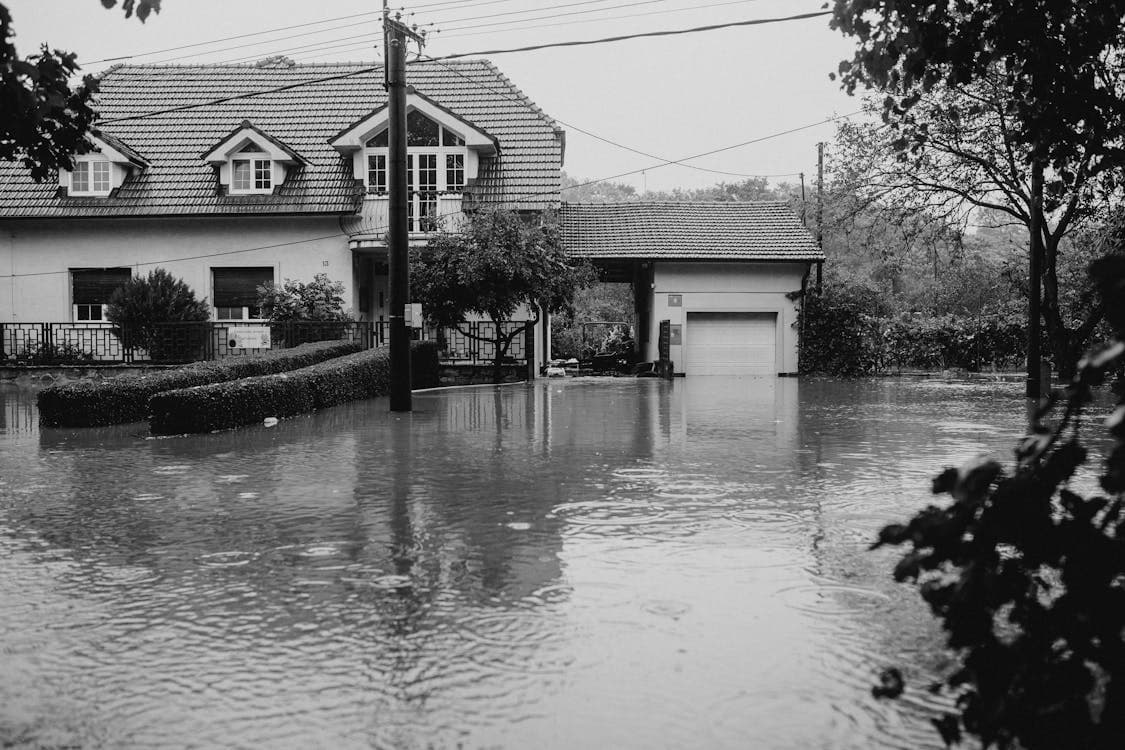
How Much Does Water Damage Basement Repair Cost?
Water damage basement repair cost is driven by three factors: how much water entered, how long it sat, and how much of the basement was finished. A basic extraction and drying job for an unfinished basement averages $1,500, covering pump rental, industrial dehumidifiers, and air movers running for 3 to 5 days. When finished drywall, carpet, laminate, or tile needs replacement, costs jump to $5,000 on average and can reach $8,000 for larger spaces.
Full basement restoration — including demolition, structural drying, mold remediation, drywall, flooring, trim, and electrical work — averages $12,000 and can reach $25,000 for large or heavily finished basements. Use our Cost Calculator to get a tailored estimate for your situation.
| Repair Scenario | Low | Average | High |
|---|---|---|---|
| Water extraction + drying only | $500 | $1,500 | $3,000 |
| Drywall + flooring replacement | $2,000 | $5,000 | $8,000 |
| Full basement restoration | $5,000 | $12,000 | $25,000 |
Based on national averages from IICRC-certified restoration companies and industry pricing data. Actual costs vary by region, contractor, and scope of damage.
What Drives Basement Water Damage Repair Costs
The volume of water is the starting point. A few inches from a supply line leak is far cheaper to resolve than 2 feet of standing water from a sewer backup or foundation breach. Water category matters too: clean water (Category 1) from a broken supply line is the cheapest to clean up. Gray water (Category 2) from a sump pump failure or washing machine requires antimicrobial treatment. Sewage or floodwater (Category 3) demands full hazmat procedures, and all porous materials — carpet pad, drywall, insulation — must be removed and disposed of, not dried.
Finished basements cost significantly more to repair than unfinished ones. Every surface that water touched needs assessment: drywall, baseboards, flooring, electrical outlets, and HVAC ductwork. Unfinished basements with concrete floors and block walls are largely a drying job, keeping costs in the $500 to $3,000 range.
Insurance Coverage for Basement Water Damage
Insurance coverage for basement water damage is one of the most misunderstood areas of homeowners insurance. Standard policies cover sudden internal events — a burst pipe, a failed water heater, or a washing machine hose that blows. They do not cover flooding from external sources, including groundwater, storm runoff, or rising water tables. For flood protection, you need a separate NFIP or private flood policy.
Sewer and drain backups are also excluded unless you purchased a specific endorsement (typically $40 to $100 per year). Given that sewer backup is one of the most common causes of basement flooding, this endorsement is among the best values in homeowners insurance. Learn more in our guide on what insurance covers for water damage, and follow our insurance claim guide if you need to file.
Common Causes of Basement Flooding
The most common causes of basement water damage include sump pump failure during heavy rain, foundation cracks that allow groundwater entry, sewer line backups, burst pipes in unheated areas during winter, and water heater failures. Poor exterior grading that directs surface water toward the foundation is a contributing factor in many cases.
Foundation cracks deserve special attention because they represent an ongoing vulnerability. Even after drying and repairing the immediate damage, an unrepaired crack will allow water entry during the next heavy rain. Our guide on foundation crack leaks covers diagnosis, repair options, and prevention strategies. At WaterDamageFinder, we believe in the anti-auction pledge — your information goes to one verified contractor, not a bidding war.
How to Minimize Basement Repair Costs
Response speed is the most powerful cost lever. A basement that is pumped and dried within 24 hours may only need carpet cleaning and dehumidification. The same basement left for 72 hours will likely need full drywall tear-out, flooring replacement, and mold remediation — tripling or quadrupling the cost.
If your basement is actively flooding, shut off the water source if possible, cut power to the basement from a dry location, and call a restoration company immediately. Our flooded basement repair directory connects you with contractors who offer 24/7 emergency response in your area.
Frequently Asked Questions
How much does water damage basement repair cost?
Water damage basement repair cost ranges from $500 for basic water extraction and drying to $25,000 or more for a full basement restoration including drywall, flooring, electrical, and mold remediation. The average homeowner spends between $1,500 and $12,000 depending on the depth of flooding, the amount of finished space affected, and whether contaminated water was involved.
Does homeowners insurance cover basement water damage?
It depends on the source. Insurance typically covers basement water damage from burst pipes, water heater failures, and appliance malfunctions. Flooding from groundwater, surface runoff, or sewer backups is almost always excluded from standard policies. You may need a separate flood policy (NFIP) or sewer backup endorsement for those scenarios.
How long does it take to restore a flooded basement?
Water extraction takes 4 to 8 hours for a standard basement. Structural drying with industrial dehumidifiers and air movers runs 3 to 5 days. If drywall, flooring, and insulation need replacement, add another 1 to 3 weeks depending on the scope. Full restorations with mold remediation and finish work can take 4 to 6 weeks from start to final inspection.
Should I finish my basement again after water damage?
Before refinishing, address the root cause of the flooding. If the issue was a one-time pipe failure, refinishing makes sense after proper drying and repairs. If the cause was groundwater intrusion or poor drainage, invest in waterproofing, a sump pump, or French drain system first. Refinishing without fixing the root cause guarantees repeat damage.
Is it safe to go into a flooded basement?
Not always. Standing water in a basement can conceal electrical hazards from submerged outlets, appliances, or wiring. Sewage-contaminated water (Category 3) carries bacteria, viruses, and parasites. Turn off the electrical breaker for the basement from a dry location before entering, and wear rubber boots and gloves. If the water depth exceeds 2 inches or you cannot identify the source, call a professional.
Related Resources
- Basement Leak Repair Cost
Pricing for ongoing basement leak repairs and waterproofing
- Foundation Water Damage Repair Cost
Cost guide for foundation cracks, sealing, and structural repair
- Floor Water Damage Repair Cost
Pricing for all flooring types after water damage
- Flooded Basement Repair Near Me
Find 24/7 emergency basement restoration contractors
- Our Anti-Auction Pledge
Why we never sell your information to multiple contractors
Need professional help with your water damage?
Find Verified Contractors Near You