Crack in Foundation Leaking Water
Water coming through cracks in your basement wall or floor is one of the most common — and most misunderstood — water damage issues. Most cracks are repairable, but the right fix depends on the type, location, and cause.
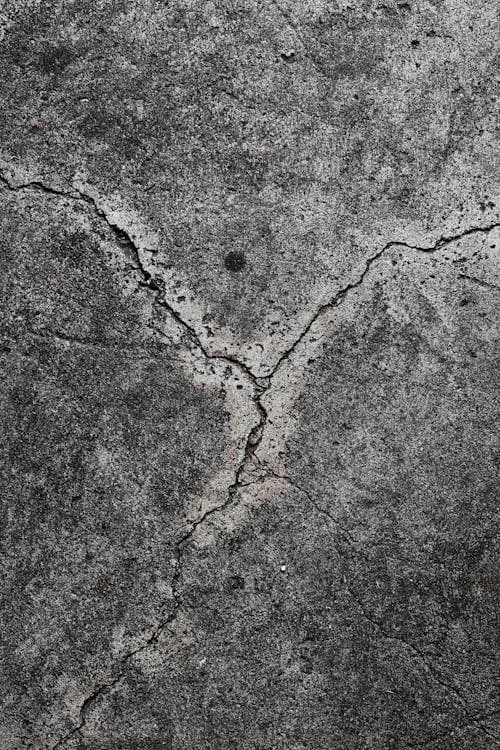
Types of Foundation Cracks and What They Mean
Not all foundation cracks are equal. The direction, width, and location of a crack tell you whether you are dealing with normal settling or a structural problem. Understanding the difference can save you thousands in unnecessary repairs — or prevent you from ignoring a crack that needs immediate attention.
Vertical cracks
The most common type. Caused by concrete shrinkage during curing or minor settling. Usually hairline to 1/8 inch wide. These are typically cosmetic but can allow water entry under hydrostatic pressure. Repaired with epoxy or polyurethane injection.
Diagonal cracks
Usually caused by differential settling — one side of the foundation settling more than the other due to uneven soil conditions. If the crack is less than 1/4 inch and stable (not widening), it can be sealed. Widening diagonal cracks warrant a structural engineer assessment.
Horizontal cracks
The most serious type. Caused by lateral soil pressure pushing against the foundation wall. Common in block and poured concrete walls in areas with clay-heavy soil or freeze-thaw cycles. A horizontal crack in a basement wall leaking water indicates the wall is under structural stress and may be bowing inward. This requires professional assessment and reinforcement.
Stair-step cracks (block walls)
Follow the mortar joints in a stair-step pattern. Common in concrete block (CMU) foundations. Indicate settling or lateral pressure. Severity depends on width — hairline is typical settling, while gaps wider than 1/4 inch suggest ongoing movement.
Floor cracks
Cracks in the basement floor leaking water usually indicate hydrostatic pressure from a high water table. The water pushes up through the weakest point in the slab. Surface sealing is temporary — long-term solutions require interior drainage.
What Causes Water Coming Through Cracks in Basement Walls
The root cause is almost always hydrostatic pressure — groundwater in the soil surrounding your foundation pushing against the walls and floor. Concrete is porous, and cracks provide a direct path for water to enter. Several factors increase hydrostatic pressure:
- Poor grading — soil that slopes toward the house instead of away from it directs rainwater against the foundation
- Clogged or missing gutters — concentrated roof runoff saturates soil next to the foundation
- High water table — seasonal or permanent groundwater levels that reach your foundation depth
- Clay soil — expands when wet and exerts lateral pressure against walls, then shrinks when dry, creating gaps
- Failed or absent waterproofing — original waterproofing membrane may have deteriorated over time
Repair Methods for Foundation Cracks Leaking Water
The right repair depends on the crack type, the severity, and whether the underlying water source can be addressed. Here are the most common professional repair methods:
Epoxy injection
Best for structural repair of poured concrete walls. Epoxy bonds the crack surfaces together, restoring the original strength of the concrete. Typical cost: $350-$600 per crack. Not ideal for walls that are still moving — the rigid bond will crack again.
Polyurethane foam injection
Best for waterproofing cracks that do not need structural repair. The foam expands to fill the entire crack depth and remains flexible, accommodating minor foundation movement. Typical cost: $400-$800 per crack. Better for areas with freeze-thaw cycles.
Interior drainage system
A French drain installed along the interior perimeter of the basement floor, channeling water to a sump pump. This does not stop water from entering — it manages it. Effective when hydrostatic pressure is the primary issue and cannot be resolved from the exterior. Typical cost: $3,000-$10,000.
Exterior waterproofing
The most thorough solution. Involves excavating around the foundation, applying a waterproof membrane, and installing exterior drainage tile. This stops water before it reaches the wall. Typical cost: $5,000-$15,000 per wall, depending on depth and access. Disrupts landscaping but provides the longest-lasting protection.
Carbon fiber reinforcement
For bowing walls caused by lateral pressure. Carbon fiber straps are bonded to the interior wall surface to prevent further inward movement. Cost: $500-$1,500 per strap. Does not repair the crack itself but stabilizes the wall to prevent worsening.
When to Call a Professional
Any crack that is actively leaking water warrants professional assessment. The visible crack is rarely the full story — moisture may be spreading behind finished walls, under the slab, or into adjacent areas you cannot see. A foundation specialist can use moisture meters and structural assessment to determine whether you need a $500 injection or a $10,000 drainage system.
Contractors listed on WaterDamageFinder show verified credentials and specializations, so you can find a foundation waterproofing specialist rather than a general contractor learning on your project.
Frequently Asked Questions
Are cracks in a basement wall leaking water a sign of structural failure?
Not always. Most basement wall cracks are caused by normal concrete curing (shrinkage cracks) or hydrostatic pressure from soil moisture. These are common and repairable. However, horizontal cracks wider than 1/4 inch, stair-step cracks in block walls, or cracks that are actively widening may indicate structural issues that require an engineer's assessment.
How much does it cost to fix a crack in a foundation leaking water?
Epoxy or polyurethane injection for a single crack typically costs $350 to $800. Exterior waterproofing of a foundation wall runs $5,000 to $15,000 depending on the length and depth of excavation. Interior drainage systems (French drain with sump pump) average $3,000 to $10,000. Carbon fiber strap reinforcement for bowing walls costs $500 to $1,500 per strap.
Can I fix cracks in my basement floor leaking water myself?
Small hairline cracks in basement floors can be sealed with hydraulic cement or epoxy filler as a temporary measure. However, floor cracks that leak water typically indicate hydrostatic pressure from below — the water table is pushing up through the slab. This requires a proper interior drainage system, which is not a DIY project.
What causes water to come through cracks in basement walls?
The primary cause is hydrostatic pressure — groundwater in the soil surrounding your foundation exerts pressure against the walls, forcing water through any gaps or cracks. Contributing factors include poor grading (soil slopes toward the house), clogged or absent gutters, a high water table, and clay-heavy soil that retains moisture.
How long does a foundation crack repair last?
Professional epoxy injection repairs typically last 10-20 years or longer when the underlying drainage issue is also addressed. Polyurethane foam injections are flexible and accommodate minor foundation movement, making them more durable in areas with freeze-thaw cycles. Without addressing the water source (grading, drainage, gutters), any repair is a temporary fix.
Related Resources
- Cost & Insurance Guide
What foundation repairs cost and what insurance covers
- Mold Remediation After Water Damage
When basement moisture leads to mold growth
- How We Verify Contractors
Our process for verifying contractor credentials
Need a foundation waterproofing specialist?
Find Verified Foundation Repair Contractors