Water Damage Restoration and Mold Remediation
Mold does not wait. Within 24-48 hours of water damage, mold spores begin colonizing wet materials. Understanding the timeline, health risks, and remediation process is the difference between a manageable cleanup and a major health hazard.
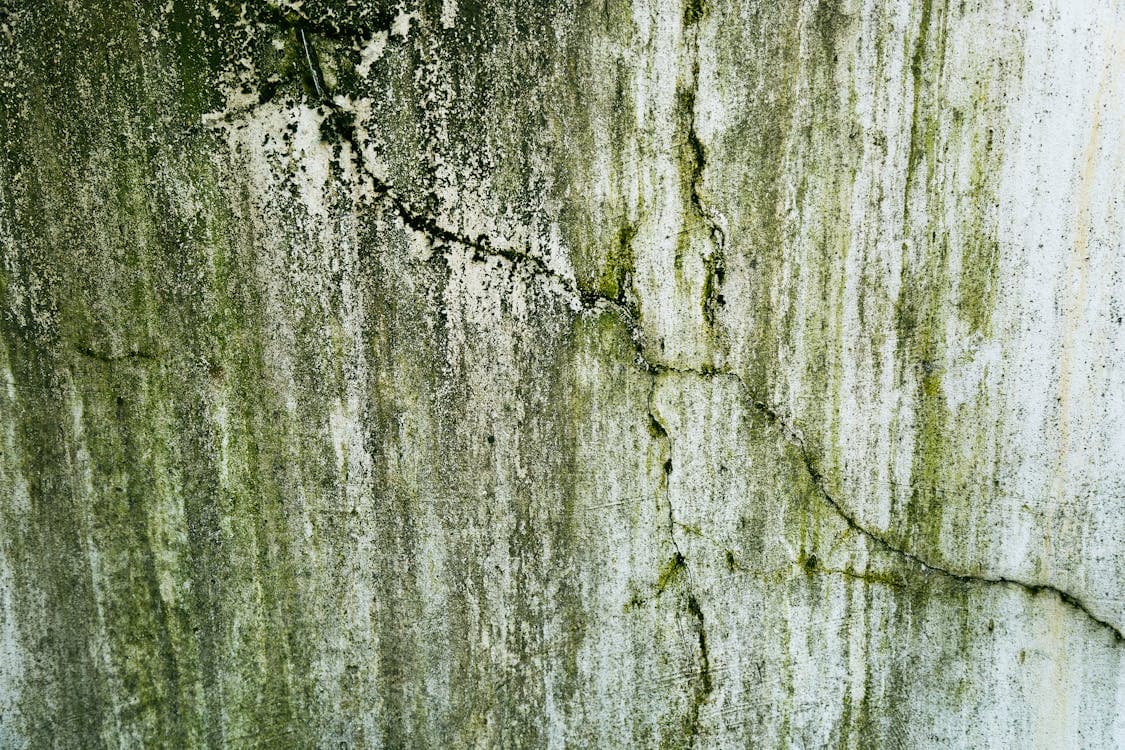
The Connection Between Water Damage and Mold
Mold exists everywhere — its spores are a natural part of indoor and outdoor air. What keeps mold dormant is the absence of sustained moisture. Water damage changes this equation. When building materials like drywall, wood, carpet, and insulation absorb water, they create the exact conditions mold needs to grow: moisture, organic material, and stable temperatures between 60-80 degrees Fahrenheit.
According to the IICRC S520 standard for mold remediation, the primary strategy for preventing mold after water damage is rapid drying — reducing moisture in affected materials below the threshold that supports mold growth (typically below 60% relative humidity and 16% moisture content in wood). Every hour of delay expands the potential mold zone.
The 24-48 Hour Mold Timeline
The 60-minute damage clock is particularly relevant for mold prevention. Here is what happens inside your walls and ceilings after water intrusion:
Materials are wet but mold has not yet established. Professional drying during this window prevents mold entirely. Water extraction, dehumidification, and air movement are most effective here.
Mold spores begin germinating on wet organic materials. Growth is not yet visible but the biological process has started. Drying can still prevent visible colonization if started now, but the window is closing.
Mold colonies become visible on drywall, wood, and carpet. Musty odors develop. At this stage, affected porous materials must be removed and replaced — drying alone is no longer sufficient. Remediation costs increase 2-5x compared to early intervention.
Mold spreads through wall cavities, HVAC ductwork, and air currents to rooms that were never directly affected by water damage. Professional remediation with containment barriers is required to prevent cross-contamination.
Health Risks of Mold from Water Damage
The EPA identifies indoor mold exposure as a significant health concern. Mold produces allergens, irritants, and in some cases mycotoxins — toxic substances that can cause serious health effects. Black mold (Stachybotrys chartarum) receives the most attention, but all indoor mold species from water damage pose risks:
- Respiratory symptoms — coughing, wheezing, nasal congestion, throat irritation
- Allergic reactions — sneezing, runny nose, red eyes, skin rash
- Asthma triggers — mold is a recognized trigger for asthma attacks in sensitized individuals
- Chronic fatigue and headaches — associated with prolonged exposure to mycotoxin-producing species
- Immune suppression — immunocompromised individuals, infants, and elderly face elevated risks
The Professional Mold Damage Repair Process
Professional water damage restoration and mold remediation follows the IICRC S520 standard. The process is systematic and designed to prevent cross-contamination during removal:
Assessment and moisture mapping
A certified technician uses moisture meters, thermal imaging, and air quality testing to map the full extent of water damage and mold growth. Hidden mold behind walls and above ceilings is identified before any removal begins.
Containment
Physical barriers (polyethylene sheeting) and negative air pressure machines isolate the affected area. This prevents mold spores from spreading to clean areas during removal. HEPA-filtered air scrubbers run continuously.
Removal of affected materials
Porous materials with mold growth — drywall, insulation, carpet, ceiling tiles — are cut out and removed in sealed bags. Non-porous surfaces (metal, glass, concrete) are cleaned with antimicrobial solutions. The EPA recommends removal over surface cleaning for any porous material with visible mold.
HEPA vacuuming and cleaning
All surfaces in the contained area are HEPA-vacuumed to capture remaining spores. Structural framing is treated with antimicrobial agents. Air quality is monitored throughout.
Drying and dehumidification
Commercial drying equipment reduces moisture in remaining materials to below 16% (wood) and maintains ambient humidity below 50%. This step takes 3-7 days depending on the extent of damage.
Clearance testing
Post-remediation air quality testing confirms that mold spore counts have returned to normal background levels. Many insurance companies and local regulations require third-party clearance testing before reconstruction can begin.
Mold and Water Damage Repair Cost
| Scope | Area | Typical Cost |
|---|---|---|
| Small (surface cleaning) | Under 10 sq ft | $500 - $1,500 |
| Medium (removal + rebuild) | 10 - 100 sq ft | $1,500 - $5,000 |
| Large (full remediation) | 100+ sq ft | $10,000 - $30,000 |
| HVAC contamination | Full system | $3,000 - $8,000 (additional) |
Preventing Mold After Water Damage
Prevention comes down to one principle: control moisture before mold has time to establish. The EPA and IICRC agree on these key measures:
- Dry within 24 hours — the single most effective mold prevention step after water damage
- Maintain 30-50% indoor humidity — use dehumidifiers in basements and during humid seasons
- Fix leaks immediately — a dripping pipe that goes unrepaired for weeks creates a mold habitat
- Ensure proper ventilation — bathrooms, kitchens, and laundry rooms need exhaust fans that vent outside
- Use mold-resistant materials — in moisture-prone areas, choose mold-resistant drywall, paint, and insulation during reconstruction
Sources
Frequently Asked Questions
How quickly does mold grow after water damage?
Mold spores can begin germinating within 24 to 48 hours of water exposure in warm, humid conditions. Visible mold colonies typically appear within 3-5 days. By 7-10 days, mold can spread to adjacent rooms through HVAC systems, wall cavities, and air currents. This is why the IICRC S520 standard emphasizes rapid drying as the primary mold prevention strategy.
How much does mold and water damage repair cost?
Mold remediation costs depend on the area affected. Small areas (under 10 square feet) cost $500-$1,500. Medium projects (10-100 square feet) run $1,500-$5,000. Large-scale remediation exceeding 100 square feet or involving HVAC contamination can cost $10,000-$30,000. These costs are on top of the underlying water damage repair.
Is black mold from water damage dangerous?
Stachybotrys chartarum (black mold) produces mycotoxins that can cause respiratory issues, headaches, chronic fatigue, and allergic reactions. However, all mold growth from water damage poses health risks — not just black mold. The EPA recommends treating all indoor mold growth as a health concern regardless of species and removing it promptly.
Can I remove mold from water damage myself?
The EPA advises that homeowners can handle mold remediation on hard surfaces if the affected area is less than 10 square feet (roughly 3 feet by 3 feet). Use detergent and water — not bleach — on non-porous surfaces. Porous materials like drywall, carpet, and insulation with mold growth should be removed and replaced. Any area exceeding 10 square feet should be handled by a professional.
Does insurance cover mold damage from water damage?
If the mold resulted from a covered water damage event (like a burst pipe) and you took prompt action to mitigate the damage, many policies cover mold remediation up to a sublimit, typically $5,000 to $10,000. Mold from long-term neglect, gradual leaks, or flooding (without a separate flood policy) is generally excluded. Check your policy for mold-specific endorsements.
Related Resources
- The 60-Minute Damage Clock
Why drying within the first hour prevents mold
- Does Insurance Cover Water Damage?
Whether mold remediation is covered by your policy
- Ceiling Repair After Water Leak
When ceiling moisture leads to mold growth
Need professional mold remediation after water damage?
Find Verified Mold Remediation Contractors