Flood Repair Contractors
Flood damage requires specialized expertise. Find verified flood restoration companies with the certifications and equipment your property needs.
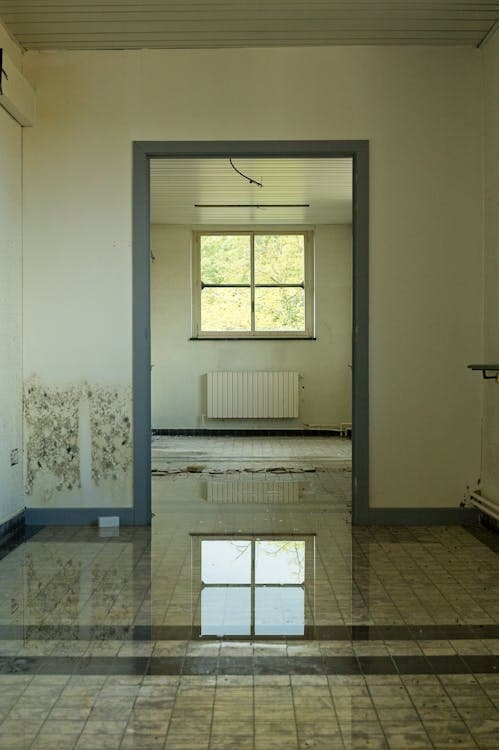
Types of Flood Damage and Why They Matter
Not all flood damage is the same, and the type of flooding directly determines the restoration approach. Riverine flooding from rising waterways carries silt, agricultural runoff, and microbial contamination. Flash flooding from sudden heavy rainfall often brings debris and overwhelms municipal drainage, mixing stormwater with sewage overflow. Coastal storm surge introduces saltwater, which is significantly more corrosive to structural materials, electrical systems, and HVAC equipment than freshwater flooding.
The IICRC classifies virtually all flood water as Category 3 — the most contaminated classification. This means flood repair contractors must follow stricter protocols than a standard water damage cleanup: affected porous materials (carpet, drywall, insulation) are typically removed rather than dried in place, and antimicrobial treatment is applied to all structural surfaces that contacted flood water.
Choosing the Right Flood Restoration Company
Flood damage restoration demands specific expertise that not every water damage company possesses. Look for flood repair contractors with IICRC certifications in Water Damage Restoration (WRT) and Applied Structural Drying (ASD). For properties with contamination concerns, AMRT (Applied Microbial Remediation Technician) certification indicates training in handling Category 3 water safely.
Beyond certifications, evaluate equipment capacity. A single-room pipe burst requires different resources than a ground-floor flood affecting 2,000 square feet. Ask whether the company can handle your scope directly or will subcontract portions. Ask about their experience with FEMA-documented properties and NFIP claim procedures — flood insurance claims follow a different process than standard homeowner claims, and experienced flood restoration companies streamline this significantly.
Flood Damage Restoration vs. Water Damage Repair
The distinction between flooding restoration and general water damage repair is not just semantic — it affects your insurance claim, the remediation approach, and the contractor qualifications required. Water damage from internal sources (burst pipes, appliance leaks) is often Category 1 or 2 water that can be dried in place. Flood damage from external sources is almost always Category 3, requiring removal of affected materials and comprehensive decontamination.
Insurance treatment differs as well. Standard homeowner policies cover most internal water damage but explicitly exclude natural flooding. Flood damage requires a separate NFIP or private flood insurance policy. A contractor experienced in flood damage will understand this distinction and help you document your claim appropriately.
How WaterDamageFinder Verifies Flood Contractors
Through our anti-auction pledge, we never sell your information to multiple contractors. Instead, we verify each flood repair contractor's certifications, insurance coverage, and response times through confirmed job data. You see transparent information and choose the contractor — not the other way around.
Every contractor listed for flood services has been verified for Category 3 water handling capability, appropriate insurance coverage (including pollution liability), and demonstrated experience with flood-specific restoration protocols.
Flood Repair Contractors Near You
34 verified contractors specializing in flood damage repair.
Frequently Asked Questions
What is the difference between flood damage and water damage?
In both insurance and restoration terminology, flood damage specifically refers to water that enters your property from an external natural source — rising rivers, storm surge, overland flow, or overwhelmed drainage systems. Water damage refers to internal sources like burst pipes, appliance failures, or roof leaks. The distinction matters because flood damage is almost always classified as Category 3 (black water) and requires more aggressive remediation protocols, and it is covered by flood insurance rather than standard homeowner policies.
How do I choose the right flood repair contractor?
Look for IICRC certification in Water Damage Restoration (WRT) at minimum, and Applied Structural Drying (ASD) for complex flood events. The contractor should carry general liability and pollution liability insurance. Ask about their experience with your specific type of flood damage — riverine flooding, flash floods, and storm surge each present different contamination and structural challenges. Verify they can handle the full scope from extraction through reconstruction, or have documented partnerships with specialists.
Does homeowner insurance cover flood damage?
Standard homeowner insurance policies explicitly exclude flood damage from natural events. You need a separate flood insurance policy through the National Flood Insurance Program (NFIP) or a private flood insurer. NFIP policies cover up to $250,000 for the structure and $100,000 for contents. If your property is in a FEMA-designated flood zone with a federally backed mortgage, flood insurance is required. Even outside flood zones, roughly 25% of flood claims come from properties in moderate-to-low risk areas.
How long does flood damage restoration take?
Flood damage restoration typically takes longer than standard water damage due to contamination concerns. Initial water removal and cleaning takes 1-3 days. Structural drying runs 5-7 days minimum, as flood water often saturates more deeply than a pipe burst. Mold prevention treatment adds 1-2 days. If structural repairs or reconstruction are needed, add 2-6 weeks depending on scope. Properties with finished basements or extensive ground-floor damage are on the longer end.
What should I do immediately after a flood?
Wait for authorities to confirm it is safe to re-enter. Do not walk through standing flood water — it may conceal sharp debris, displaced covers over drains, or electrical hazards. Once cleared, document everything with photos and video for your insurance claim before cleanup begins. Do not attempt to pump out a basement too quickly, as hydrostatic pressure from saturated soil outside can collapse the walls. Contact your insurance company and a professional flood restoration company within the first 24 hours.
Related Resources
- Cost and Insurance Guide
Understand flood restoration costs and insurance coverage options.
- Anti-Auction Pledge
How we protect your information from lead auctions.
- Burst Pipe Water Damage
Understanding water damage from burst pipes vs. natural flooding.