Flooded Basement Repair Near Me
Basement flooding demands fast, professional response. Find verified local contractors who specialize in basement water damage cleanup and repair.
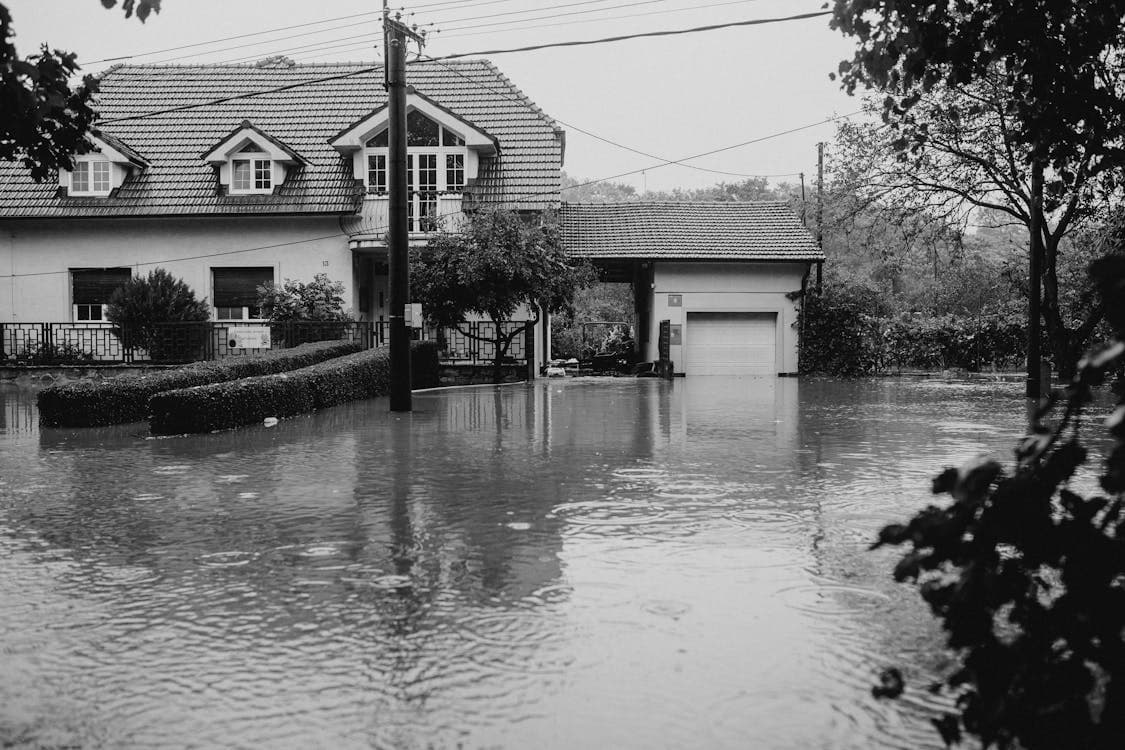
Common Causes of Basement Flooding
Basement flooding repair near me is one of the most searched phrases in water damage because basements are uniquely vulnerable. They sit at or below the water table, collect drainage from the entire property, and house critical systems — water heaters, HVAC units, electrical panels — that both cause and are damaged by flooding.
The most common causes include sump pump failure (responsible for an estimated 25% of basement floods), foundation cracks allowing groundwater intrusion during heavy rain, sewer line backups from municipal system overloads, burst or frozen pipes, and water heater failures. Each cause produces different water contamination levels and requires a different remediation approach.
Health Risks from Basement Flooding
A flooded basement is not just a property problem — it is a health hazard. Standing water creates ideal conditions for mold growth, which can begin within 24-48 hours and spread through HVAC systems to the rest of the home. The EPA estimates that mold exposure affects millions of Americans annually, with symptoms ranging from respiratory irritation to serious allergic reactions.
If the flooding involves sewer backup or groundwater, the water carries bacteria, viruses, and chemical contaminants classified as Category 3 (black water) by the IICRC. Direct contact with or inhalation of aerosols from contaminated water causes gastrointestinal illness, skin infections, and respiratory problems. Children, elderly residents, and immunocompromised individuals are at heightened risk.
The Basement Flooding Cleanup Process
Professional flooded basement cleanup follows a specific sequence. First, technicians assess safety — checking for electrical hazards (water in contact with outlets, panels, or appliances) and structural concerns. The electrical panel serving the basement is typically shut off before anyone enters standing water.
Water extraction uses submersible pumps for deep standing water, followed by truck-mounted or portable extractors for residual moisture. In basements with concrete floors, moisture can be trapped beneath vinyl, laminate, or carpet over pad — all of which must be removed if the water was contaminated. Dehumidifiers and air movers are then positioned based on the specific layout to dry structural materials (concrete walls, framing, subfloor) within the IICRC's recommended timeframe.
Finding Local Basement Flooding Repair Contractors
When searching for basement flooding repair near me or flooded basement cleanup companies near me, verified response time is the most important factor. A contractor 20 miles away who can arrive in 60 minutes is better than one 5 miles away with a 6-hour dispatch window.
WaterDamageFinder shows verified response times for every listed contractor — cross-referenced against confirmed job data through our verification process. We also check IICRC certification, insurance coverage, and equipment capacity. If a foundation issue caused your flooding, our foundation leak guide can help you understand the underlying problem.
Flooded Basement Repair Contractors Near You
28 verified contractors specializing in water extraction and basement repair.
Frequently Asked Questions
How much does flooded basement repair cost?
Flooded basement repair costs range from $2,000-$5,000 for minor flooding (a few inches of clean water) to $10,000-$25,000+ for deep flooding with contamination. Key cost drivers include water volume, contamination level, whether finished materials (drywall, flooring, built-in furniture) are affected, and response time. A finished basement with 12 inches of standing water from a sewer backup will cost significantly more than 2 inches of clean water from a foundation leak.
Is basement flooding covered by insurance?
It depends on the cause. Sudden and accidental water damage from burst pipes or appliance failures is typically covered by standard homeowner insurance. Sewer backup coverage requires a specific endorsement — check your policy for 'sewer and drain backup' or 'water backup' coverage. Groundwater seepage and natural flooding are excluded from standard policies and require separate flood insurance. If you have a sump pump failure, some policies cover this under equipment breakdown or a sump pump endorsement.
Can I clean up a flooded basement myself?
For small amounts of clean water (under 2 inches from a known clean source like a supply line), DIY cleanup may be sufficient with proper precautions. However, any flooding involving contaminated water (sewer backup, groundwater, appliance drain water), more than a few inches of depth, or contact with electrical systems, HVAC equipment, or structural materials requires professional cleanup. The health risks from mold, bacteria, and chemical contaminants in unclean water are significant and not visible to the eye.
How do I prevent basement flooding in the future?
Prevention depends on the flooding source. For groundwater: install or maintain a sump pump system with battery backup, ensure exterior grading slopes away from the foundation, and clear gutters and downspouts regularly. For sewer backups: install a backwater valve on your sewer line. For pipe failures: insulate exposed pipes against freezing and replace aging supply lines proactively. A waterproofing professional can assess your specific vulnerabilities and recommend targeted solutions.
How quickly do I need to act after basement flooding?
Within the first 24 hours is critical. Mold can begin growing on wet surfaces within 24-48 hours in conditions above 60 degrees Fahrenheit. Standing water puts continuous pressure on foundation walls and can weaken structural integrity. Additionally, many insurance policies require you to take reasonable steps to mitigate damage promptly — delaying cleanup can jeopardize your claim. Contact a professional and your insurance company the same day if possible.
Related Resources
- Foundation Leak Guide
Understanding and addressing foundation cracks that cause basement flooding.
- Cost and Insurance Guide
Understand basement flood repair costs and insurance coverage.
- How We Verify Contractors
Our process for verifying contractor response times and credentials.