Sewage Damage Restoration
Sewage contamination is the most hazardous type of water damage. Find certified contractors equipped to handle Category 3 water safely.
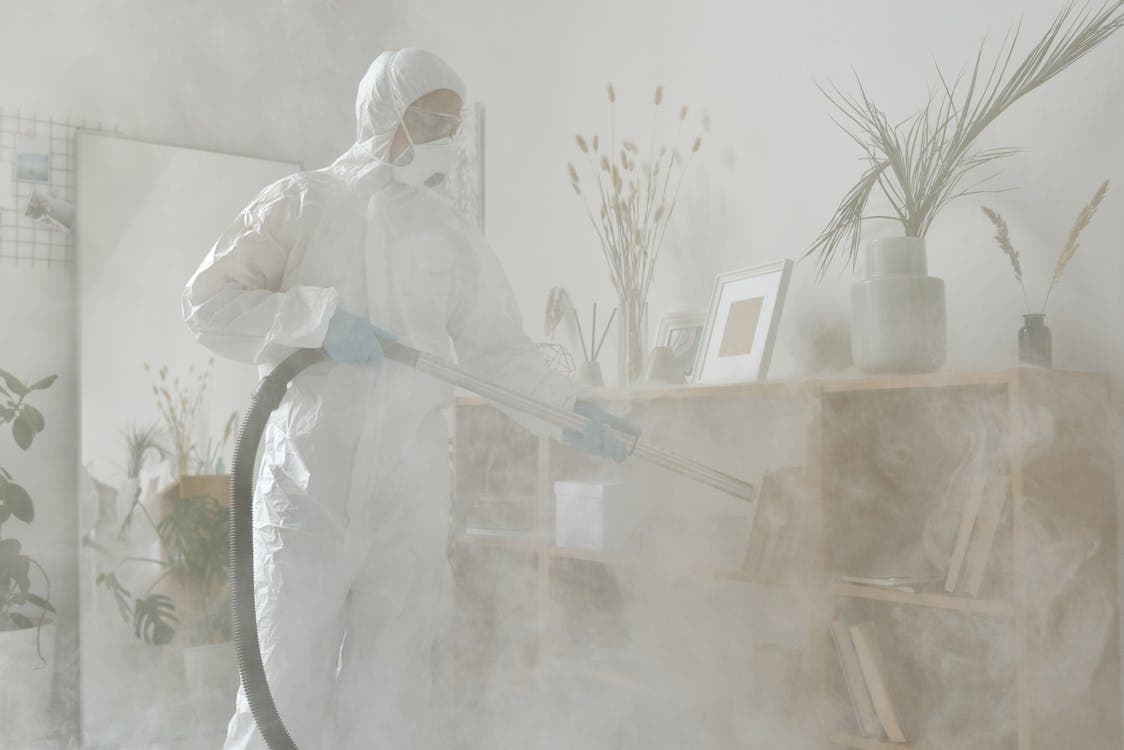
Category 3 Water: Why Sewage Damage Is Different
The IICRC classifies water damage into three categories based on contamination level. Category 1 is clean water from supply lines. Category 2 is gray water from appliance drains or dishwashers. Category 3 — black water — is grossly contaminated and includes sewage, toilet overflow with feces, and rising flood water. Sewage damage restoration deals exclusively with the most hazardous classification.
Sewage water contains pathogenic organisms including E. coli, Salmonella, Hepatitis A, Norovirus, and parasites like Giardia and Cryptosporidium. The EPA classifies these as serious public health risks. Unlike clean water damage where materials can often be dried in place, sewage contamination requires removal of all affected porous materials — drywall, carpet, padding, insulation, particle board, and any absorbent material that contacted the sewage water.
Health Hazards of Sewage Backup
The health risks from sewage damage extend beyond direct contact. As sewage water dries, pathogens become aerosolized — meaning you can be exposed through inhalation even without touching contaminated surfaces. OSHA guidelines require respiratory protection (N95 or higher) for anyone entering a sewage-contaminated area, along with waterproof gloves, eye protection, and protective clothing.
Documented health effects from sewage exposure include gastroenteritis, skin infections, hepatitis, respiratory infections, and parasitic infections. Children, elderly residents, pregnant women, and immunocompromised individuals face the highest risk. The area must be professionally decontaminated and tested before safe reoccupancy — “it looks clean” is not a safe standard for sewage contamination.
Professional Sewage Cleanup Procedures
Professional sewage backup cleanup follows strict protocols that household cleaning cannot replicate. The process begins with containment — sealing off the affected area with polyethylene sheeting and establishing negative air pressure to prevent cross- contamination to unaffected areas. HEPA air scrubbers run continuously to capture airborne particulates.
Extraction removes standing sewage water using equipment dedicated to contaminated water (never mixed with clean-water equipment). All affected porous materials are cut out, bagged in biohazard containers, and disposed of according to local regulations. Structural surfaces that remain — concrete, metal framing, hard plastics — are cleaned with EPA-registered antimicrobial solutions and allowed to dry thoroughly.
Post-remediation testing measures bacterial contamination levels on treated surfaces. Only after clearance testing confirms safe levels is the area approved for reconstruction. This testing step is non- negotiable — skipping it leaves a liability exposure and a genuine health risk.
Finding a Sewage Cleanup Company Near You
Sewage damage restoration requires specialized certifications beyond standard water damage training. Look for contractors with IICRC WRT (Water Damage Restoration Technician) certification plus AMRT (Applied Microbial Remediation Technician) certification. The contractor must carry pollution liability insurance — standard general liability does not cover biohazardous contamination events.
WaterDamageFinder verifies these specific credentials for every contractor listed under sewage damage restoration. Through our verification process, we confirm Category 3 handling capability, appropriate insurance coverage, and response times from confirmed job data. We never auction your information — our anti-auction pledge means you choose the contractor, not the other way around.
Sewage Damage Restoration Contractors Near You
34 verified contractors specializing in sewage damage restoration.
Frequently Asked Questions
Why is sewage damage more dangerous than other water damage?
Sewage water is classified as Category 3 (black water) by the IICRC — the most hazardous classification. It contains bacteria (E. coli, Salmonella), viruses (Hepatitis A, Norovirus), parasites, and chemical contaminants. Direct contact causes gastrointestinal illness, skin infections, and respiratory problems. Aerosolized particles from drying sewage water can be inhaled even without direct contact. Category 3 water requires the most aggressive remediation protocols, including removal of all affected porous materials.
Can I clean up sewage backup myself?
No. The IICRC, EPA, and OSHA all recommend professional remediation for sewage contamination. The health risks from pathogens in sewage water are severe and not visible — you cannot determine contamination levels by sight or smell. Professional crews use PPE (personal protective equipment), containment measures, antimicrobial treatments, and HEPA filtration that household cleaning cannot replicate. DIY sewage cleanup puts you, your family, and your neighbors at risk.
How much does sewage damage restoration cost?
Sewage cleanup costs typically range from $3,000-$7,000 for a single-room incident to $10,000-$30,000+ for multi-room contamination. The higher cost compared to clean water damage reflects the additional labor, PPE requirements, antimicrobial treatment, material removal, and disposal fees for biohazardous waste. Response time also affects cost significantly — sewage that sits for 24+ hours contaminates more materials and increases the scope of removal.
Does insurance cover sewage backup damage?
Standard homeowner policies typically exclude sewer backup unless you have purchased a specific endorsement — commonly called 'sewer and drain backup' or 'water backup' coverage. This endorsement usually costs $40-$80 per year and provides $5,000-$25,000 in coverage depending on the policy. If the backup was caused by a municipal sewer system failure, you may also have a claim against the municipality, though these are notoriously difficult to pursue.
How long does sewage damage restoration take?
Sewage damage restoration takes longer than clean water damage due to decontamination requirements. Initial extraction and material removal takes 1-2 days. Antimicrobial treatment and structural drying runs 3-5 days. Post-remediation testing for bacterial contamination adds 1-2 days. Reconstruction of removed materials (drywall, flooring, baseboards) adds 1-3 weeks depending on scope. Total timeline from incident to full restoration is typically 2-5 weeks.
Related Resources
- Sewage Backup Causes
Understanding what causes sewage backups and how to prevent them.
- Cost and Insurance Guide
Understand sewage cleanup costs and insurance coverage.
- How We Verify Contractors
How we verify Category 3 handling capability and credentials.