Water and Mold Restoration Near Me
Water damage and mold go hand in hand. Find verified contractors who handle both the water problem and the mold it creates.
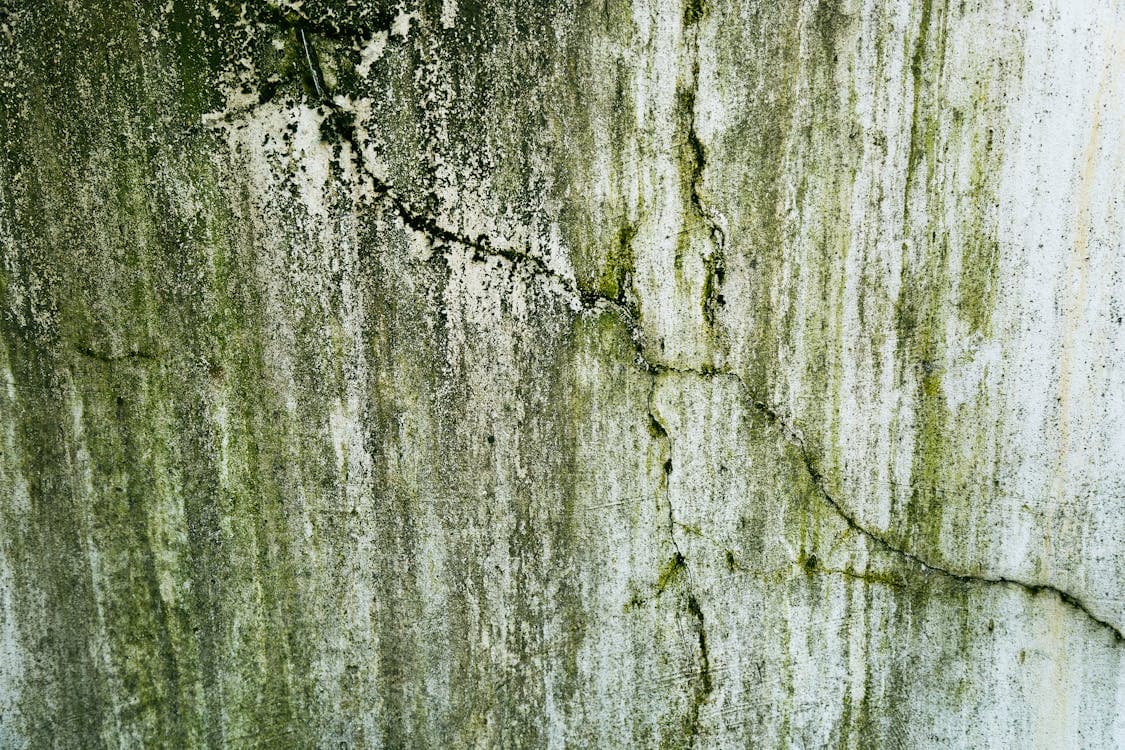
The Connection Between Water Damage and Mold
Water damage and mold are not separate problems — they are two stages of the same problem. Every unresolved water event becomes a mold event. The timeline is predictable: mold spores, which exist naturally in every home, begin colonizing wet materials within 24-48 hours when conditions are right (above 60 degrees Fahrenheit with sustained moisture). By day 3-7, visible colonies appear. By week 2-3, established mold can spread to adjacent materials and through HVAC systems to other rooms entirely.
This is why the 60-minute damage clock exists. Fast water extraction and professional drying are not just about saving materials — they are about preventing the secondary disaster that mold represents. Water damage restoration and mold remediation should be viewed as one continuous process, not two separate services.
Health Risks of Mold from Water Damage
The health implications of mold and water damage repair delays are well documented. The EPA reports that mold exposure affects respiratory health across all demographics, with particularly severe effects on children, elderly individuals, and those with pre-existing respiratory conditions. The CDC links indoor mold exposure to upper respiratory tract symptoms, cough, and wheeze in otherwise healthy people, and to more serious respiratory infections in immunocompromised individuals.
Some mold species commonly found after water damage — including Stachybotrys chartarum (often called “black mold”) and Aspergillus — produce mycotoxins that pose additional health risks with prolonged exposure. Even non-toxic mold species produce allergens and irritants that degrade indoor air quality. The Institute of Medicine found sufficient evidence linking indoor mold to asthma symptoms in sensitized individuals.
EPA-Recommended Mold Remediation Process
The EPA's mold remediation guidelines, aligned with the IICRC S520 standard, outline a structured approach that certified contractors follow. The process begins with moisture source identification and control — remediation without addressing the water source is futile, as mold will return within days.
Containment is established using polyethylene sheeting and negative air pressure to prevent spore dispersal during removal. HEPA-filtered air scrubbers run continuously throughout the remediation. Affected porous materials (drywall, carpet, insulation) are removed and disposed of in sealed bags. Non-porous surfaces are cleaned with appropriate antimicrobial solutions. Post-remediation, clearance testing by an independent assessor verifies that spore counts have returned to acceptable levels.
Finding Water and Mold Restoration Contractors
Effective mold and water damage repair requires dual expertise. Not every water damage company is equipped for mold remediation, and not every mold remediation company handles the underlying water damage. Look for contractors certified in both WRT (Water Damage Restoration Technician) and AMRT (Applied Microbial Remediation Technician) through the IICRC.
WaterDamageFinder verifies both sets of credentials for contractors listed under water and mold restoration. We check IICRC certifications, insurance coverage including pollution liability, and confirmed response times. No lead auctions. No bidding on your emergency. Just verified data so you can choose the right contractor for your situation.
Water & Mold Restoration Contractors Near You
45 verified contractors specializing in mold remediation.
Frequently Asked Questions
How quickly does mold grow after water damage?
Mold spores can begin colonizing wet surfaces within 24-48 hours under favorable conditions (temperatures above 60 degrees Fahrenheit with relative humidity above 60%). Visible mold growth typically appears within 3-7 days. However, mold can grow in hidden areas — behind walls, under flooring, inside HVAC ducts — for weeks or months before becoming visible. This is why professional moisture assessment after any water event is critical, even if surfaces appear dry.
What are the health risks of mold from water damage?
According to the EPA and CDC, mold exposure can cause nasal congestion, throat irritation, coughing, wheezing, eye irritation, and skin irritation in healthy individuals. People with asthma, allergies, or compromised immune systems face more serious risks including severe respiratory infections and triggering of asthma attacks. Certain mold species produce mycotoxins that can cause additional health effects with prolonged exposure. Children and elderly individuals are particularly vulnerable.
Can I remove mold myself after water damage?
The EPA recommends professional remediation for any mold growth exceeding 10 square feet (roughly a 3x3 foot patch). Below that threshold, DIY cleanup may be appropriate for non-toxic mold on hard surfaces using detergent and water — never bleach on porous materials, as it does not penetrate to kill the root structure. However, any mold resulting from contaminated water (sewage, flood water) or mold in HVAC systems should always be handled by certified professionals regardless of size.
Does insurance cover water damage mold remediation?
Coverage depends on the water damage source and your policy terms. Mold resulting from a covered water event (burst pipe, appliance failure) is typically covered as part of the water damage claim. Mold from gradual leaks, deferred maintenance, or flooding (without flood insurance) is usually excluded. Many policies cap mold coverage at $5,000-$10,000 unless you purchase additional mold endorsements. File your water damage claim promptly and document mold growth with dated photos.
How long does water damage mold remediation take?
A straightforward remediation of a single room with visible mold takes 1-3 days. Larger projects involving multiple rooms, hidden mold behind walls, or HVAC contamination take 3-7 days. The process includes containment setup, HEPA air filtration, removal of affected materials, antimicrobial treatment, and post-remediation verification testing. If the water source has not been addressed, remediation is futile — moisture control must come first.
Related Resources
- Mold Remediation Guide
In-depth guide to mold remediation after water damage.
- Cost and Insurance Guide
Understand mold remediation costs and insurance coverage.
- The 60-Minute Damage Clock
Why fast response prevents mold from forming in the first place.