Water Damage Repair in Florida
Florida's subtropical climate, hurricane exposure, and low-lying terrain make it one of the most water-damage-prone states in America. Fast response is critical here because Florida's humidity accelerates mold growth faster than almost anywhere else in the country.
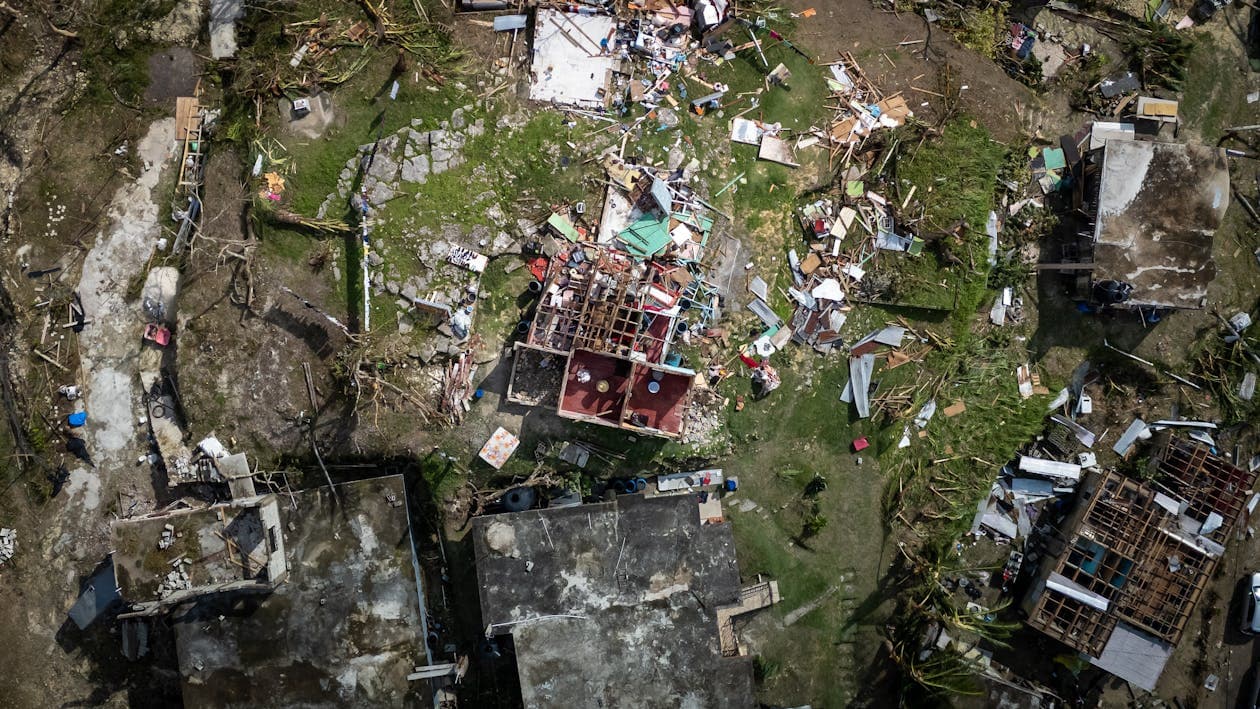
Florida: The Most Water-Damage-Prone State
Florida has been hit by more hurricanes than any other US state — 120 direct hits since 1851, according to NOAA. But hurricanes are only part of the story. Florida's year-round humidity (averaging 74%), low elevation (mean elevation of just 100 feet, the lowest of any state), and a water table often less than 10 feet below the surface create conditions where water damage risks exist every day of the year.
The Florida Office of Insurance Regulation reports that water damage claims are the most frequent type of homeowners insurance claim in the state. Water damage repair in Florida requires contractors who understand not just extraction and drying, but the accelerated mold timeline, the unique insurance challenges, and the building materials used in Florida construction.
Hurricanes and Tropical Storms
Florida's hurricane history reads like a damage catalog: Hurricane Ian (2022) caused $113 billion in total damage, primarily in Southwest Florida. Hurricane Idalia (2023) brought storm surge flooding to the Big Bend region. Hurricane Michael (2018) made landfall as a Category 5 in the Panhandle. Each event left thousands of homeowners needing water damage restoration.
Hurricane flooding is classified as Category 3 (black water) under the IICRC S500 standard because the water carries sewage, fuel, pesticides, and biological contaminants. This requires the most aggressive restoration protocols: full hazmat containment, removal of all porous materials below the flood line, antimicrobial treatment, and post-remediation testing. Costs for hurricane restoration typically range from $15,000 to $50,000+ per home.
Florida's Mold Problem
Mold is Florida's hidden multiplier. In most of the country, the IICRC S520 standard identifies a 24-to-48-hour window before mold begins colonizing wet materials. In Florida's subtropical climate, that window shrinks to as little as 24 hours — sometimes less when indoor temperatures are high and ventilation is poor.
Florida's average relative humidity of 74% means that indoor air already carries elevated moisture. When water damage adds saturation to drywall, carpet, and wood framing, mold spores find ideal growth conditions almost immediately. This is why the 60-minute damage clock is even more critical in Florida than in drier states. Mold remediation adds $2,000 to $10,000 to the total restoration cost and significantly extends the project timeline.
Flood Zones and Sinkholes
Florida has more properties in FEMA-designated flood zones than any other state. Over 2.5 million Florida properties face substantial flooding risk, according to the First Street Foundation. But flood zone maps do not capture the full picture — 40% of all NFIP flood claims nationally come from outside designated flood zones.
Sinkholes add a unique Florida risk. The state's limestone bedrock dissolves over time, creating underground voids that can cause sudden ground collapse. Sinkhole activity damages foundations and underground plumbing, creating pathways for water intrusion that are difficult to detect until significant damage has occurred. Central Florida — including the Tampa Bay, Orlando, and Ocala areas — has the highest sinkhole density.
Seasonal Water Damage Patterns in Florida
- June - November — hurricane season. Peak storm activity in August and September. Storm surge, wind-driven rain, and catastrophic rainfall flooding.
- May - October — rainy season. Afternoon thunderstorms bring flash flooding, particularly in low-lying areas with poor drainage.
- Year-round — high humidity creates persistent mold risk. Appliance failures, plumbing leaks, and condensation issues cause water damage regardless of season.
- King tide events — increasingly frequent coastal flooding during high-tide cycles, particularly in South Florida (Miami-Dade, Broward, Palm Beach).
Florida's Insurance Crisis
Florida's homeowners insurance market is the most strained in the nation. Multiple private insurers have exited the state, leaving Citizens Property Insurance Corporation — the state-created insurer of last resort — with over 1.4 million policies. Average premiums exceed $4,200 per year, roughly three times the national average.
Standard Florida homeowners policies cover sudden water damage (burst pipes, appliance failures) but exclude flooding, which requires separate NFIP or private flood coverage. Mold coverage is often capped at $10,000 or excluded entirely. Sewer backup coverage requires a separate endorsement. Given these limitations, fast response to water damage is not just about minimizing physical damage — it is about keeping the restoration within your coverage limits.
Top-Rated Water Damage Contractors in Florida
Verified professionals serving Florida homeowners.
Frequently Asked Questions
What are the biggest water damage risks in Florida?
Florida faces five major water damage risks: hurricanes and tropical storms (June through November), year-round high humidity that accelerates mold growth, flooding in low-lying coastal areas and flood zones, sinkhole activity that damages foundations and plumbing, and appliance failures in older condominiums and housing stock. Florida is the most hurricane-prone state in the US, with 120 direct hurricane hits since record-keeping began in 1851.
How quickly does mold grow after water damage in Florida?
In Florida's subtropical climate, mold can begin colonizing damp materials within 24 hours — significantly faster than the 48-hour general guideline. Average relative humidity in Florida ranges from 70% to 90%, which means indoor air already carries elevated moisture. When water damage adds saturation to building materials, mold spores activate almost immediately. This makes the 60-minute response window even more critical in Florida than in drier states.
Does Florida homeowners insurance cover water damage?
Standard Florida homeowners policies cover sudden and accidental water damage (burst pipes, appliance failures) but exclude flood damage, which requires a separate NFIP or private flood policy. Florida's insurance market is under significant strain — Citizens Property Insurance (the state's insurer of last resort) covers over 1.4 million policies after multiple private insurers exited the market. Premiums average over $4,200 per year, the highest in the nation. Sewer backup coverage requires a separate endorsement.
How much does water damage repair cost in Florida?
Water damage repair costs in Florida range from $2,000 to $6,000 for a single-room extraction with prompt response, to $15,000 to $40,000 for hurricane or flood damage restoration. Florida's high humidity extends drying times, increasing equipment rental costs. Mold remediation adds $2,000 to $10,000 depending on the extent of growth. Restoration labor rates in Florida average $50 to $80 per hour, with premium rates during hurricane season when demand spikes.
Do I need flood insurance in Florida?
If you have a federally backed mortgage and your property is in a FEMA-designated Special Flood Hazard Area (zones A or V), flood insurance is legally required. However, FEMA data shows that 40% of all NFIP flood claims come from properties outside designated flood zones. Given that Florida is the flattest state in the US with a water table often less than 10 feet below the surface, flood insurance is strongly recommended for all Florida homeowners regardless of flood zone designation.
Related Resources
- Find a Contractor
Browse verified water damage restoration contractors.
- Water Damage & Mold Remediation
How mold develops after water damage and what remediation involves.
- The 60-Minute Damage Clock
Why response time is the most important variable in water damage outcomes.
Need water damage repair in Florida?
Find Verified Florida Contractors