Water Damage Repair in Illinois
Illinois homeowners face a year-round cycle of water damage risks: frozen pipe bursts in winter, spring flooding from snowmelt, basement seepage from high water tables, and sump pump failures. The Chicago area adds aging infrastructure and combined sewer overflow risk.
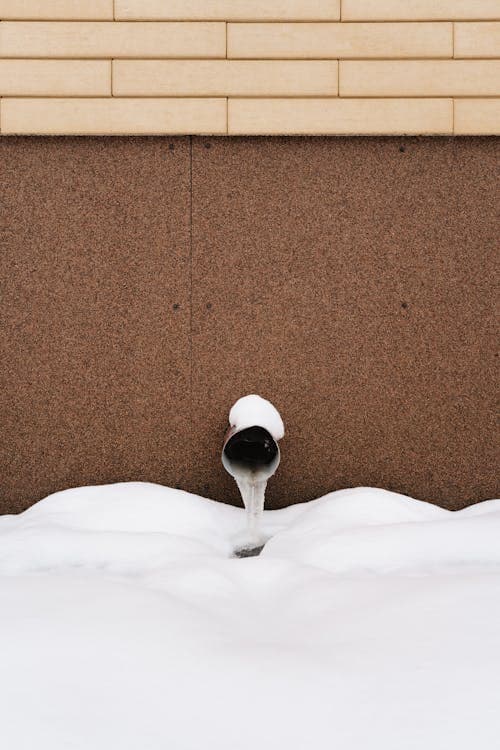
Water Damage in Illinois: A Seasonal Cycle
Illinois sits in the crossroads of extreme weather. The state experiences some of the widest temperature swings in the country — from sub-zero polar vortex events in January to 95-degree summers with severe thunderstorms. Each season brings its own water damage risks, and according to the Illinois Department of Insurance, water damage is the most frequent homeowners insurance claim type in the state.
Water damage repair in Illinois requires contractors who understand the seasonal patterns, the aging infrastructure challenges (particularly in the Chicago metro area), and the specific insurance landscape. A contractor responding to a frozen pipe burst in February faces different conditions than one addressing spring basement flooding in April or a summer thunderstorm backup in July.
Frozen Pipe Bursts: Illinois' Top Winter Risk
Illinois averages 40 to 60 days per year with temperatures below 20 degrees Fahrenheit — the threshold at which unprotected pipes begin freezing. January temperatures average 14 to 26 degrees F across the state, and polar vortex events can push readings to -20 degrees F or lower. The January 2019 polar vortex set all-time records across Illinois, with Chicago reaching -23 degrees F, and plumbers reported being booked weeks in advance for burst pipe repairs.
Frozen pipes do not burst at the point of the ice blockage — they fail downstream where pressure builds between the ice and the nearest closed faucet. This means the burst can occur in a completely different location from the frozen section, often inside a wall cavity where the damage goes undetected until water appears on a floor or ceiling below. A single burst pipe can release 4 to 8 gallons per minute, flooding a room in under an hour.
Spring Flooding and Snowmelt
When Illinois' winter snow and ice melt in March and April, the water has to go somewhere. In flat terrain with clay-heavy soils — common across much of Central and Northern Illinois — the ground absorbs water slowly, and the excess pools against foundations, overwhelms storm drains, and floods basements. The Illinois State Water Survey reports that spring flooding is the most common natural disaster in the state, outpacing tornadoes.
Basement flooding during spring thaw is often compounded by sump pump failure. Sump pumps that have sat idle all winter may have failed check valves, stuck floats, or burned-out motors. When the pump fails and the pit fills, basement flooding can begin within minutes. Testing your sump pump before spring thaw is one of the most cost-effective prevention steps an Illinois homeowner can take.
Chicago-Area Infrastructure Challenges
The Chicago metropolitan area — home to 9.5 million people — faces unique water damage challenges from aging infrastructure. Many Chicago neighborhoods still use combined sewer systems that carry both stormwater and sewage in the same pipes. During heavy rain events, these systems overflow, and sewage can back up through basement floor drains and into homes.
The Metropolitan Water Reclamation District's Tunnel and Reservoir Plan (TARP, or "Deep Tunnel") has reduced basement flooding, but the system is not complete, and combined sewer overflows still affect older neighborhoods during intense rain. Homes in these areas should have a backwater prevention valve on their sewer lateral and carry sewer backup coverage on their homeowners policy.
Beyond combined sewers, many Chicago-area homes built before 1960 have galvanized steel or cast iron drain lines that corrode and deteriorate over time. These aging pipes are prone to root intrusion, collapses, and sewage backups that require full replacement.
Seasonal Water Damage Patterns in Illinois
- November - March — frozen pipe bursts, particularly during polar vortex events. Highest risk in Northern Illinois and the Chicago metro area.
- December - February — ice dam formation on roofs, causing water to back up under shingles and leak into attics and exterior walls.
- March - May — spring flooding from snowmelt and heavy rain. Sump pump failures peak during this period. Basement seepage from saturated soil.
- June - August — severe thunderstorms bring flash flooding and combined sewer overflows in the Chicago area. High humidity creates mold risk after any water event.
Winter Prevention Tips for Illinois Homeowners
The majority of winter water damage in Illinois is preventable. These steps can save thousands in restoration costs:
- Insulate pipes in attics, crawl spaces, garages, and exterior walls with foam insulation rated R-3 or higher.
- Keep the thermostat at 55 degrees F minimum — even when traveling. A frozen pipe from a vacation shutdown can cause more damage than weeks of heating costs.
- Disconnect outdoor hoses and shut off interior valves to outdoor faucets before the first freeze.
- Test your sump pump before spring thaw. Pour a bucket of water into the pit — the pump should activate, pump the water out, and shut off automatically.
- Install a battery backup for your sump pump. Power outages during storms are the leading cause of sump pump failure when you need it most.
Illinois Insurance Landscape
Illinois homeowners insurance averages approximately $2,200 per year, according to the Illinois Department of Insurance. Standard policies cover sudden and accidental water damage but exclude flood damage and sewer backup. Given that basement flooding from sewer backups is the most common water damage claim in Illinois, sewer backup coverage ($40 to $150 per year) is one of the most valuable endorsements available.
Insurers expect you to take reasonable steps to prevent damage — including maintaining your heating system and insulating pipes during winter. If a pipe bursts because you turned off the heat while away, the claim may be denied. Document your winterization efforts and report damage immediately to protect your claim. Find a verified contractor who can respond quickly and provide the documentation your insurer needs.
Top-Rated Water Damage Contractors in Illinois
Verified professionals serving Illinois homeowners.
Frequently Asked Questions
What are the most common causes of water damage in Illinois?
The leading causes of water damage in Illinois are frozen pipe bursts during winter (November through March), spring flooding from snowmelt and heavy rain (March through May), basement seepage and sump pump failures, sewage backups from aging municipal infrastructure, and ice dam damage on roofs. The Chicago metropolitan area faces additional risk from combined sewer overflows during heavy rain events, which can force sewage back into residential basements.
How cold does it need to get for pipes to freeze in Illinois?
Pipes are at risk when exterior temperatures drop below 20 degrees Fahrenheit for six or more consecutive hours. Illinois averages 40 to 60 days per year below 20 degrees F, with January averages of 14 to 26 degrees F depending on the region. Pipes in uninsulated exterior walls, attics, crawl spaces, and garages are most vulnerable. During polar vortex events — like those in January 2014 and January 2019 — temperatures can drop to -20 to -30 degrees F, putting even well-insulated plumbing at risk.
Does Illinois homeowners insurance cover basement flooding?
Standard Illinois homeowners insurance covers sudden water damage from burst pipes or appliance failures, but it does not cover flooding from external water sources (rising rivers, surface runoff, sewer backup). Basement flooding from a sewer backup requires a separate endorsement, typically $40 to $150 per year in Illinois. Flood coverage for surface water events requires a separate NFIP or private flood policy. Given that basement water damage is the most common insurance claim in Illinois, sewer backup coverage is strongly recommended.
How much does water damage repair cost in Illinois?
Water damage repair costs in Illinois range from $1,500 to $5,000 for a single-room burst pipe cleanup with prompt response, up to $8,000 to $20,000 for basement flood restoration requiring mold remediation and structural drying. Frozen pipe burst repair adds $200 to $500 for thawing services. Chicago-area rates tend to be 15-20% higher than downstate Illinois. Sump pump replacement costs $500 to $1,500, and a battery backup system adds $300 to $600.
How can I prevent frozen pipe bursts in my Illinois home?
Insulate all exposed pipes in attics, crawl spaces, garages, and exterior walls with foam insulation rated R-3 or higher. Keep your thermostat at 55 degrees F minimum, even when away. Open cabinet doors under sinks on exterior walls during cold snaps. Disconnect and drain outdoor hoses before the first freeze. Seal air leaks near pipes with caulk or spray foam. If you have a history of frozen pipes, consider installing heat tape or cable on vulnerable pipe runs. Test your sump pump before spring thaw — failure during snowmelt is a leading cause of Illinois basement flooding.
Related Resources
- Find a Contractor
Browse verified water damage restoration contractors.
- Burst Pipe Water Damage
Why pipes burst, the damage timeline, and repair costs.
- How We Verify Contractors
Our contractor accountability loop and verification process.
Need water damage repair in Illinois?
Find Verified Illinois Contractors