Water Damage Repair in Texas
Texas faces water damage threats from every direction: Gulf Coast hurricanes, flash flooding from severe thunderstorms, foundation failures from expansive clay soil, and pipe bursts during rare but devastating winter storms. Here is what Texas homeowners need to know.
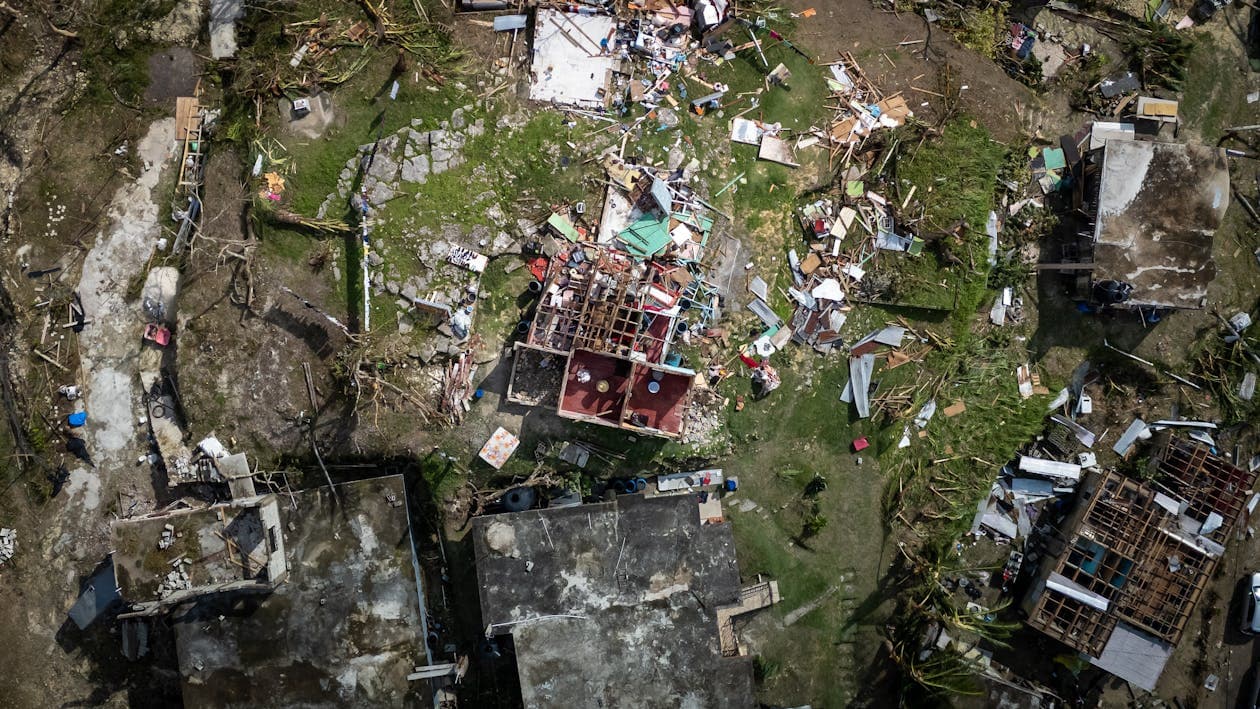
Texas Water Damage: A $3 Billion Annual Problem
Texas leads the nation in flood insurance claims and consistently ranks among the top three states for water damage insurance payouts. According to FEMA, Texas has received more federal disaster declarations for flooding than any other state. The Texas Department of Insurance reports that water damage and weather-related claims cost Texas homeowners over $3 billion annually — driven by the state's unique combination of hurricane exposure, severe thunderstorms, expansive soils, and aging infrastructure.
Water damage repair in Texas requires contractors who understand these region-specific challenges. A Houston restoration company dealing with post-hurricane flood damage faces entirely different conditions than a Dallas company responding to a frozen pipe burst or a San Antonio company addressing foundation-related plumbing failures.
Hurricanes and Gulf Coast Flooding
The Texas Gulf Coast stretches from Beaumont to Brownsville, and every mile of it is exposed to hurricane risk. Hurricane Harvey (2017) remains the benchmark: 60+ inches of rainfall, $125 billion in total damage, and over 200,000 homes damaged or destroyed in the Houston metro area alone. Hurricane Ike (2008) caused $30 billion in damage, primarily from storm surge in Galveston and Bolivar Peninsula.
Hurricane water damage is almost always Category 3 (black water) under the IICRC S500 standard because floodwater carries sewage, chemicals, debris, and biological contaminants. This means full hazmat remediation protocols, removal of all porous materials below the flood line, and post-remediation testing before the home can be reoccupied. Costs for hurricane flood restoration typically start at $15,000 and can exceed $50,000 for heavily damaged properties.
Foundation Issues and Clay Soil
Texas has some of the most expansive clay soils in the country. These soils — predominant in the Dallas-Fort Worth Metroplex, Austin, San Antonio, and Houston — swell when wet and shrink when dry. This constant expansion and contraction cycle creates differential settlement beneath slab-on-grade foundations, which cracks foundations, breaks underground plumbing, and creates pathways for water to enter the home.
A broken pipe under a slab is one of the most expensive water damage scenarios in Texas. The leak saturates the soil beneath the foundation, accelerating the heaving cycle. By the time a homeowner notices — often through unexplained water bill increases or new cracks in walls and tile — the damage may include both plumbing replacement ($4,000 to $15,000) and foundation repair ($5,000 to $20,000).
Winter Storm Pipe Bursts
Texas homes are not built for extreme cold. Most residential plumbing runs through uninsulated exterior walls and attics, and many homes lack adequate pipe insulation. When temperatures drop below 20 degrees Fahrenheit — as they did across the entire state during the February 2021 winter storm — pipes freeze and burst on a massive scale.
The 2021 winter storm caused an estimated $18 billion in insured losses in Texas, with residential pipe bursts accounting for a significant share. Demand for water damage repair overwhelmed the contractor supply for weeks, with response times stretching to days rather than hours. Having a relationship with a verified contractor before an emergency is the best defense against being stranded in a queue.
Seasonal Water Damage Patterns in Texas
- January - February — frozen pipe bursts during cold snaps and rare winter storms. Highest risk in North Texas and the Panhandle.
- March - May — severe thunderstorms and tornadoes bring flash flooding and wind-driven rain damage statewide.
- June - November — hurricane season. Gulf Coast cities face storm surge, wind damage, and catastrophic rainfall flooding.
- Year-round — foundation-related plumbing failures from expansive clay soils. These are not seasonal — the wet-dry cycle drives damage throughout the year.
Texas Insurance Landscape
Texas homeowners insurance is among the most expensive in the nation, averaging over $3,500 per year according to the Texas Department of Insurance. Standard policies cover sudden water damage (burst pipes, appliance failures) but exclude flooding, which requires a separate NFIP or private flood policy. Sewer backup coverage is available as an endorsement for $40 to $100 per year but is not included by default.
Insurers expect prompt action after water damage. Delaying restoration can result in reduced payouts if the adjuster determines that secondary damage — mold, structural compromise — was avoidable. Our anti-auction pledge means you find a contractor quickly without your information being sold to the highest bidder.
Top-Rated Water Damage Contractors in Texas
Verified professionals serving Texas homeowners.
Frequently Asked Questions
What are the most common causes of water damage in Texas?
The top causes of water damage in Texas are hurricane and tropical storm flooding (Gulf Coast), flash flooding from severe thunderstorms (statewide), plumbing failures caused by foundation shifting in expansive clay soils (North Texas, Central Texas), and frozen pipe bursts during winter storms. The February 2021 winter storm caused an estimated $18 billion in damage across Texas, with burst pipes accounting for a significant portion of residential claims.
Does Texas homeowners insurance cover flood damage?
No. Standard Texas homeowners insurance does not cover flood damage. Flood coverage requires a separate policy through the National Flood Insurance Program (NFIP) or a private flood insurer. This applies to all surface water events, including hurricane storm surge, river flooding, and flash flooding. Given that Texas leads the nation in flood insurance claims, FEMA strongly recommends flood insurance for all Texas homeowners, not just those in designated flood zones.
How much does water damage repair cost in Texas?
Water damage repair costs in Texas range from $1,500 to $5,000 for a single-room extraction with prompt response, up to $10,000 to $30,000 for multi-room restoration involving drywall replacement, mold remediation, and structural drying. Hurricane and flood damage restoration often exceeds $25,000. Texas labor rates for restoration technicians average $45 to $75 per hour. Foundation-related water damage adds $3,000 to $15,000 for pier and beam or slab repair.
How does Texas clay soil cause water damage?
Texas has some of the most expansive clay soils in the United States, particularly in the Dallas-Fort Worth, Austin, San Antonio, and Houston metro areas. These soils swell when wet and shrink when dry, creating a cycle of heaving and settling that cracks foundations, breaks underground plumbing, and creates pathways for water intrusion. A plumbing leak under a slab-on-grade foundation saturates the clay, causing differential settlement that can cost $5,000 to $20,000 to repair.
When is hurricane season in Texas?
The Atlantic hurricane season runs from June 1 through November 30, with peak activity in August and September. Texas Gulf Coast cities — Houston, Galveston, Corpus Christi, and Beaumont — face the highest risk. Hurricane Harvey in 2017 dropped over 60 inches of rain on parts of Southeast Texas, causing an estimated $125 billion in damage. Homeowners in coastal counties should prepare by reviewing insurance coverage, identifying their flood zone, and locating verified restoration contractors before hurricane season begins.
Related Resources
- Find a Contractor
Browse verified water damage restoration contractors.
- Burst Pipe Water Damage
Why pipes burst, the damage timeline, and repair costs.
- Anti-Auction Pledge
Our commitment to never selling your information.
Need water damage repair in Texas?
Find Verified Texas Contractors